10 Best Mini Lathe Machines 2026 in the United States

Related Products
Up to 13% off


Our technology thoroughly searches through the online shopping world, reviewing hundreds of sites. We then process and analyze this information, updating in real-time to bring you the latest top-rated products. This way, you always get the best and most current options available.

Our Top Picks
Winner
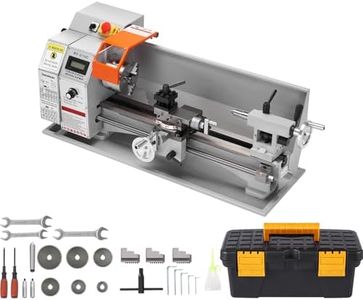
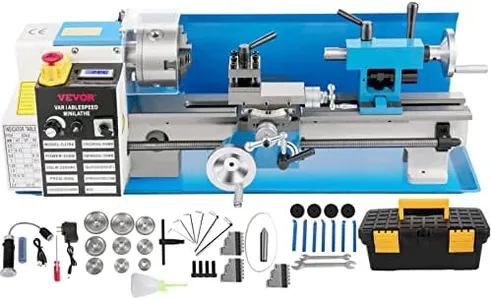
VEVOR Metal Lathe Machine, 8.7 x 18 in, Precision Bench Power Metal Lathe, Automatic Feed, 0-2500 RPM Variable Speed, 1250W Brushless Motor, for Processing Precision Parts Soft Metals Wood Plastics
Most important from
3 reviews
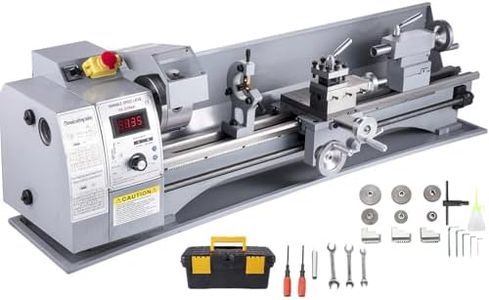
The VEVOR Metal Lathe Machine is a solid option for hobbyists or small workshop users looking to work on soft metals, wood, and plastics. It offers a decent swing over the bed (about 8.7 inches) and a distance between centers of 18 inches, meaning it can handle moderately sized pieces. The 1250W brushless motor with variable spindle speeds up to 2500 RPM allows flexibility for different materials and precision needs. Its electronic gear system is useful because it switches between metric and imperial threads without extra hassle. One standout feature is the belt-free spindle drive, reducing maintenance since you don't need to worry about belt wear or replacement.
The fully automatic feed system adjusts stroke length and feed rate via a control panel, which can make threading and other tasks easier and more precise, especially for less experienced users. The tailstock includes fine control scales, aiding accuracy during detailed work. However, the machine is heavy and relatively large, which means it might not be ideal if you have limited bench space.
It supports a wide range of thread sizes and has a versatile set of machining functions, making it best suited for those working on smaller projects or prototypes rather than heavy industrial tasks. If you want a bench lathe that balances automation with decent power and versatility for soft materials, this model could be a good fit, as long as you have room for its size and can handle some setup complexity.
Most important from
3 reviews
Mechmaxx Metal Lathe Machine with DRO 11'' x 30'' High Precision Benchtop 0-2000 RPM Brushless Motor Variable Speed Metal Working Machine 2HP Small Lathe without Stand, Model 1130VD
The Mechmaxx Metal Lathe Machine offers a solid choice for those needing a powerful and precise benchtop lathe. It features a strong 2 HP motor that runs on standard 110V power, making it suitable for a range of materials and projects. The variable spindle speed from 0 to 2000 RPM gives you flexibility to work with both metals and softer materials efficiently. With an 11-inch swing over the bed and 30-inch distance between centers, it can handle moderately sized workpieces comfortably.
The lathe's one-piece spindle design adds to its stability and accuracy, supporting larger workpieces better than some competitors. A notable advantage is the included Digital Readout (DRO), which helps you make precise measurements digitally, reducing guesswork and improving the quality of your work. Its heavy-duty bed, measuring 7 inches wide, ensures good rigidity during operation, though it is quite a heavy unit at 572 pounds and does not come with a stand, so plan for a sturdy bench or surface. Threading capabilities cover both inch and metric threads, which is useful if you need versatility in screw cutting.
This lathe is well suited for serious hobbyists and small professional workshops looking for accuracy and power in a compact footprint, though the lack of a stand and substantial weight mean it’s less ideal for portability or very small workspaces.
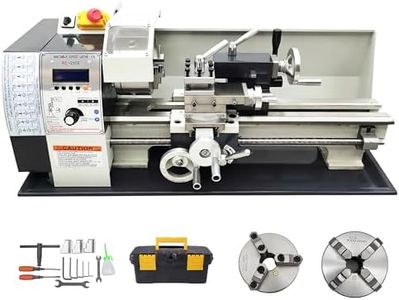
TECHTONGDA Metal Lathe 8X23” Precision DIY Lathe Electronic Leadscrew Gearless Bench Lathe Turning Machine Mini Lathe Automatic Switch Thread between Metric and Inch 110V 1100W
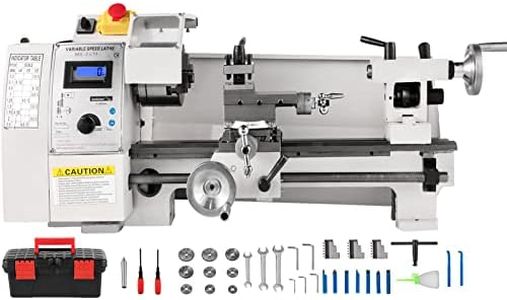
The TECHTONGDA 8x23" metal lathe is a strong choice for hobbyists or small workshops needing a precision DIY lathe. It offers a solid swing over bed and a good distance between centers (8 inches and 23 inches respectively), allowing work on moderately sized metal parts. One standout feature is the electronic gearless system that lets you switch threads between metric and inch with a simple button press, which saves time and effort compared to manual gear changes.
The 1100W brushless motor provides stable and powerful performance, with less maintenance since it doesn’t have carbon brushes to wear out. It supports a wide spindle speed range from 50 to 2500 RPM and can run both forward and reverse, giving flexibility for different materials and cutting needs. The lathe’s all-metal construction and precision bearings help reduce vibrations, ensuring smoother and more accurate machining. Safety features like an emergency stop and overload protection add peace of mind during use.
Weighing 180 pounds, the lathe is more of a stationary bench tool, with a size and power balance that suits detailed work rather than heavy industrial tasks. It is well-suited for those who want a reliable, efficient mini lathe with modern conveniences and solid build quality for metal turning and threading projects.
Buying Guide for the Best Mini Lathe Machines
Choosing the right mini-lathe machine can be a rewarding experience if you know what to look for. A mini-lathe is a versatile tool used for various tasks such as turning, cutting, and drilling. It's essential to understand the key specifications to ensure you select a machine that fits your needs and projects. Here are the main specs to consider when choosing a mini-lathe machine.FAQ
Most Popular Categories Right Now


