10 Best Long Range WiFi Antennas 2026 in the United States

Related Products
Up to 10% off

Our technology thoroughly searches through the online shopping world, reviewing hundreds of sites. We then process and analyze this information, updating in real-time to bring you the latest top-rated products. This way, you always get the best and most current options available.

Our Top Picks
Winner
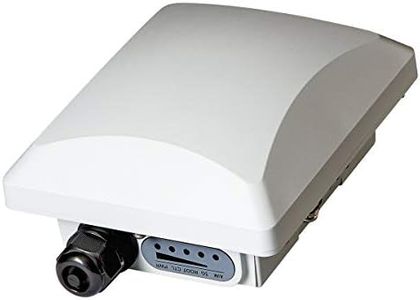
Ruckus Zoneflex P300 Outdoor Wireless Bridge (802.11ac, 5GHz, POE) 901-P300-US01 (Renewed)
The Ruckus Zoneflex P300 is designed as an outdoor wireless bridge that works well for creating long-range WiFi links, especially within the 5GHz frequency band, which helps avoid interference common in crowded 2.4GHz networks. It features a 14dBi internal directional antenna, which focuses its signal to cover longer distances more reliably than typical WiFi antennas. This makes it a strong choice for connecting buildings or outdoor areas without cables. The device supports modern 802.11ac WiFi technology, allowing for decent speeds with channel widths up to 80MHz.
Its rugged design includes an IP67 rating, making it weatherproof and capable of working in harsh outdoor conditions from very cold to hot environments, so you don’t have to worry about rain or dust. Installation is relatively simple thanks to included mounting brackets and Power over Ethernet (PoE) support, which means it only needs one cable for both power and data.
If you need a sturdy and focused outdoor WiFi bridge with good range and weather resistance, the Ruckus Zoneflex P300 is worth considering. It is best suited for 5GHz networks, and you may want to confirm connector compatibility for your setup.
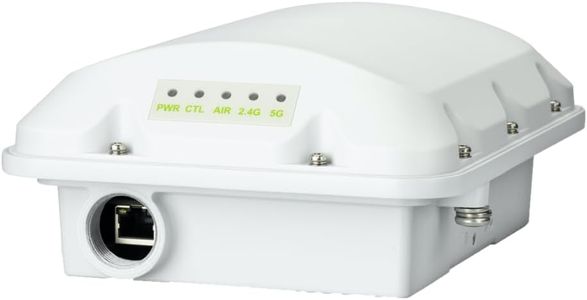
Ruckus T350 WiFi 6 Outdoor AP (901-T350-US40) 1774Mbps 2x2 MU-MIMO BeamFlex IP67 PoE/12V BLE Zigbee IoT 512 Clients - ACE 3 Year Warranty (Hardware Only)
The Ruckus T350 is an outdoor WiFi 6 access point designed for long-range and high-density wireless coverage, making it a solid choice for large outdoor areas like stadiums, parks, and campuses. It supports dual-band 802.11ax (WiFi 6) with a 2x2 MU-MIMO setup, providing a maximum speed of 1774Mbps, which helps deliver smooth streaming and multiple device connections simultaneously.
One of its standout features is the BeamFlex antenna technology, which enhances signal reach and reliability by dynamically adjusting antenna patterns—key for long-range coverage. The device supports up to 512 clients and 31 separate network names (SSIDs), making it suitable for busy public or enterprise environments. Weatherproofing is excellent, with an IP67 rating that protects against rain, dust, and extreme temperatures, ensuring durability outdoors.
It offers flexible power options via PoE or 12V DC and comes with multiple mounting options for easy installation. Additional built-in BLE and Zigbee radios plus a USB port allow integration with IoT devices, reducing the need for extra hardware. The 2x2 antenna configuration is well-suited for robust long-range outdoor WiFi with IoT capabilities, making this access point ideal for organizations rather than casual home users.
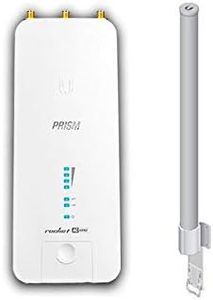
Ubiquiti Networks AirPrism BaseStation RP-5AC-GEN2-US 5GHz AC with 10dBi Omni Antenna (US Version)
The Ubiquiti Networks AirPrism BaseStation RP-5AC-GEN2-US is designed for long-range WiFi use, operating on the 5 GHz frequency band which offers faster data rates and less interference compared to 2.4 GHz. It features a 10 dBi gain omni antenna that can send and receive signals in all directions, making it suitable for covering wide outdoor areas rather than focusing on one direction. The integrated antenna type simplifies setup but limits the ability to swap antennas for different needs. The connector type is RJ45, a standard Ethernet connection rather than a typical antenna connector, indicating this device combines the antenna with the radio unit in one package.
This device includes Ubiquiti’s airMAX ac and airPrism technologies, which help improve signal quality and reduce interference, increasing reliability in crowded wireless environments. It is not compatible with smart home devices, and its weight at 2.2 kg may require sturdy mounting. If you need a long-range, outdoor WiFi solution with solid performance on the 5 GHz band and want an all-in-one device, this product fits well. However, if you want more flexibility with antenna types or need specific polarization options, or if weatherproof certification is a key factor, you might want to explore additional choices.
Buying Guide for the Best Long Range WiFi Antennas
Choosing the right long-range WiFi antenna can significantly improve your wireless network's performance, especially if you need to cover a large area or connect to a distant access point. Understanding the key specifications will help you make an informed decision that best suits your needs.FAQ
Most Popular Categories Right Now


