We Use CookiesWe use cookies to enhance the security, performance, functionality and for analytical and promotional activities. By continuing to browse this site you are agreeing to our privacy policy

10 Best Binocular Cameras 2026 in the United States
How do we rank products for you?

Our technology thoroughly searches through the online shopping world, reviewing hundreds of sites. We then process and analyze this information, updating in real-time to bring you the latest top-rated products. This way, you always get the best and most current options available.

headphones-stars

Our Top Picks

#1

Winner

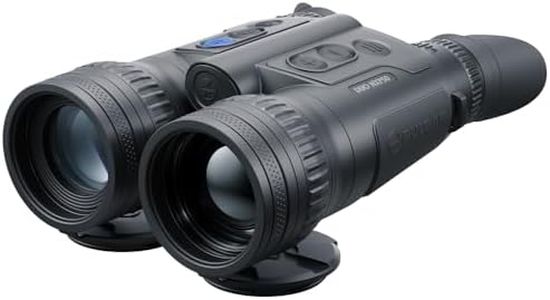
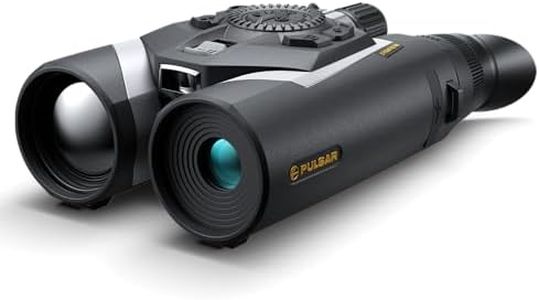
Pulsar Symbion DXT50 LRF Thermal and Digital Night Vision Binoculars with Laser Range Finder, 1280x1024 12 µm Sensor, 2-16x Magnification, Long Range Binoculars

The Pulsar Symbion DXT50 is a high-end binocular camera designed for serious outdoor enthusiasts who need versatile night vision and thermal imaging capabilities. Its 2-16x zoom combined with a 50 mm objective lens offers a good balance between magnification and light gathering, making it effective for spotting wildlife or targets at long distances. The very high-resolution 1280x1024 thermal sensor provides sharp, detailed thermal images, even in poor weather or dense vegetation, which is a strong point for anyone needing reliable detection in challenging environments. With a 13-degree field of view, it offers a moderate viewing area, suitable for tracking moving objects without feeling too narrow.

The built-in laser rangefinder adds convenience by measuring distances up to 1,640 yards with good accuracy, which is valuable for hunters or hikers wanting precise range information. The device is rugged and waterproof, weighing 2.2 pounds and sized reasonably for handheld use, although it’s on the heavier side compared to simpler binoculars, so extended handheld use might cause some fatigue. It includes useful connectivity options like Wi-Fi and Bluetooth for sharing images and videos easily, plus a removable battery for longer trips. While it does not specifically mention image stabilization, using a tripod may help maintain steady viewing at higher zoom levels.

This binocular camera is well suited for users who want advanced multispectral technology in a durable package, such as hunters or wildlife observers. It provides powerful features that may exceed the needs of casual users and comes with a higher price point.

#2

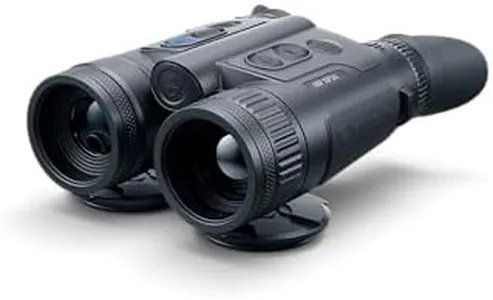
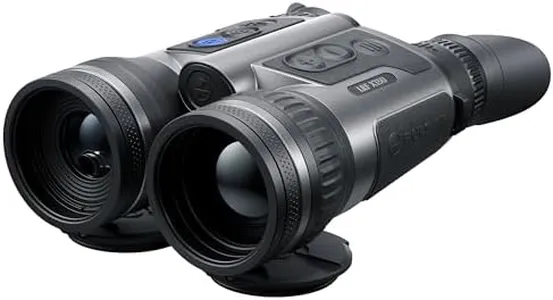
Pulsar Merger LRF XT50 Thermal Binoculars with Laser Rangefinder

Rating
9.4
Image Resolution
Image Stabilization
Battery Life

Most important from
6 reviews

Image Resolution
The clarity and ease of use set a new standard for thermal imaging binoculars, delivering an unbelievably clear and detailed scene.
Image Stabilization
The image occasionally freezes due to frequent automatic calibration, which can interrupt continuous viewing.
Battery Life
Lightweight design paired with internal and rechargeable batteries makes it highly portable and convenient for extended use.
Weight and Size
Lightweight design paired with internal and rechargeable batteries makes it highly portable and convenient for extended use.

The Pulsar Merger LRF XT50 is a high-end thermal binocular-camera designed for those needing sharp, long-distance thermal imaging with precise rangefinding. It offers a strong 2-16x magnification and a large 50mm objective lens, which helps gather a good amount of thermal data for clear images. The standout feature is its impressive 1280x1024 thermal sensor, delivering detailed visuals that can spot heat sources up to 2,500 yards away, making it excellent for hunting or wildlife observation. It has a wide 17.5-degree field of view for easier scanning of areas. Image stabilization is built in, so even at high zoom levels, your view stays steady and clear, which is great for tracking moving targets.

Another plus is the built-in laser range finder with a range up to 1,640 yards, adding precise distance measurements to your observations. You can also record photos and videos easily, with 64GB of storage included, and connect wirelessly to a smartphone for live viewing and updates. The binoculars weigh about 2.1 pounds and are waterproof, which makes them portable but not ultra-lightweight—something to consider if you’ll be carrying them for long periods. The manual focus might take some getting used to, especially if you want quick adjustments in the field.

This device is well suited for serious outdoor enthusiasts who want advanced thermal imaging combined with precise rangefinding in a rugged, all-in-one package.

Rating
9.4
Image Resolution
Image Stabilization
Battery Life

Most important from
6 reviews

Image Resolution
The clarity and ease of use set a new standard for thermal imaging binoculars, delivering an unbelievably clear and detailed scene.
Image Stabilization
The image occasionally freezes due to frequent automatic calibration, which can interrupt continuous viewing.
Battery Life
Lightweight design paired with internal and rechargeable batteries makes it highly portable and convenient for extended use.
Weight and Size
Lightweight design paired with internal and rechargeable batteries makes it highly portable and convenient for extended use.
#3

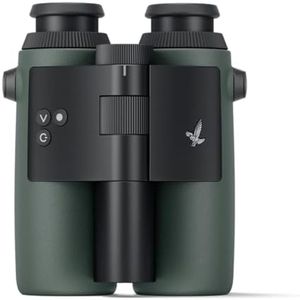
Swarovski Optik AX Visio 10x32 Smart Binocular

Rating
9.1
Image Resolution
Weight and Size

Most important from
4 reviews

Image Resolution
The built-in camera falls short, with image quality nowhere near that of dedicated 600 mm cameras.
Weight and Size
The lack of vibration control makes holding the binoculars steady a real challenge, especially given their weight.

The Swarovski Optik AX Visio 10x32 Smart Binoculars offer excellent image clarity thanks to their 10x magnification and 32mm objective lens, making them great for detailed bird watching and outdoor exploration. With a wide 6.4° field of view, you get an immersive experience when scanning landscapes or tracking wildlife. One standout feature is the built-in smart technology, which connects to apps for real-time bird and wildlife identification—ideal for nature lovers who want to learn more on the spot.

These binoculars are ruggedly built to handle harsh conditions, being fully waterproof and nitrogen-purged, so you can rely on them in different weather. They also provide comfortable eye relief and smooth focus adjustments, which is helpful for those wearing glasses. However, they are relatively heavy at 6 pounds, which might make long hikes tiring.

If you are looking for a high-quality binocular with smart camera functions and a rugged design and don’t mind the extra weight, these could be a solid choice.

Rating
9.1
Image Resolution
Weight and Size

Most important from
4 reviews

Image Resolution
The built-in camera falls short, with image quality nowhere near that of dedicated 600 mm cameras.
Weight and Size
The lack of vibration control makes holding the binoculars steady a real challenge, especially given their weight.

Buying Guide for the Best Binocular Cameras

Choosing the right binocular camera can greatly enhance your outdoor adventures, wildlife observation, or even sports events. Binocular cameras combine the magnification power of binoculars with the ability to capture photos and videos, making them a versatile tool for many activities. To find the best fit for you, it's important to understand the key specifications and how they align with your needs.
MagnificationMagnification indicates how much closer an object will appear compared to viewing with the naked eye. This is important because it determines how much detail you can see from a distance. Binocular cameras typically range from 7x to 12x magnification. Lower magnification (7x-8x) provides a wider field of view and is easier to stabilize, making it suitable for general use and moving subjects. Higher magnification (10x-12x) offers more detail but can be harder to keep steady and may require a tripod for best results. Choose based on your primary use: lower magnification for broader views and higher for detailed, distant observations.
Objective Lens DiameterThe objective lens diameter, measured in millimeters, determines how much light enters the binoculars. This affects image brightness and clarity, especially in low-light conditions. Common sizes range from 25mm to 50mm. Smaller diameters (25mm-30mm) make the binoculars more compact and lightweight, ideal for daytime use and portability. Larger diameters (40mm-50mm) provide better performance in low light, such as dawn or dusk, but are bulkier. Consider where and when you'll be using the binoculars to decide on the right size.
Image ResolutionImage resolution refers to the clarity and detail of the photos and videos captured by the camera. Higher resolution means more detailed images. Binocular cameras typically offer resolutions ranging from 5 megapixels to 20 megapixels. Lower resolutions (5-10 MP) are sufficient for casual use and sharing on social media. Higher resolutions (15-20 MP) are better for printing large photos or detailed analysis. Think about how you plan to use the images to determine the necessary resolution.
Field of ViewField of view (FOV) is the width of the area visible through the binoculars at a specific distance, usually measured in feet at 1,000 yards. A wider FOV allows you to see more of the scene, which is beneficial for tracking moving subjects or scanning large areas. Binocular cameras typically offer FOVs ranging from 300 to 400 feet at 1,000 yards. A wider FOV (350-400 feet) is ideal for bird watching and sports events, while a narrower FOV (300-350 feet) can be sufficient for stationary subjects. Choose based on the type of activities you will be engaging in.
Image StabilizationImage stabilization helps reduce the blurriness caused by hand movements, which is especially important at higher magnifications. This feature is crucial for capturing clear images and videos without the need for a tripod. Binocular cameras with image stabilization are more forgiving of slight shakes, making them easier to use for extended periods. If you plan to use the binoculars for long sessions or at high magnifications, prioritize models with good image stabilization.
Battery LifeBattery life determines how long you can use the camera functions before needing to recharge or replace the batteries. This is important for extended outings where access to power may be limited. Binocular cameras can have varying battery lives, from a few hours to several days of intermittent use. Consider how long your typical outings last and whether you can easily carry spare batteries or a portable charger. Choose a model with sufficient battery life to match your usage patterns.
Weight and SizeThe weight and size of binocular cameras affect their portability and ease of use. Heavier and bulkier models can be tiring to hold for long periods, while lighter and more compact models are easier to carry and handle. Binocular cameras can range from under a pound to several pounds. If you plan to carry them on long hikes or use them for extended periods, opt for a lighter model. For stationary use or short outings, a heavier model with more features might be acceptable.

FAQ

Most Popular Categories Right Now