10 Best Analog Synthesizers 2026 in the United States
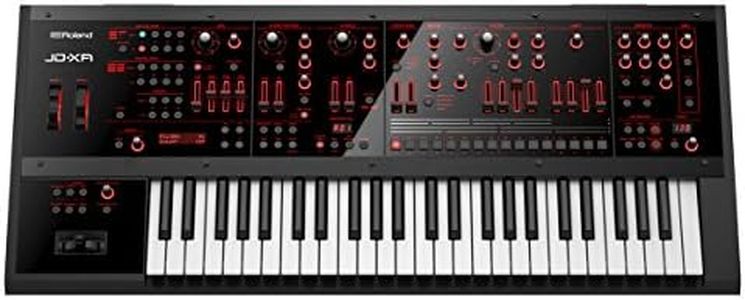
Related Products
Up to 17% off
![Case Compatible with Otamatone [English Edition] Japanese Electronic Musical Instrument Portable Synthesizer, Instrumental Music Toy Storage Holder for Otamatone Regular Size (Box Only) (Blue)](https://images-proxy.bestreviews.guide/LUS-f_guzQwpjGaOxj0NaehwMOU=/0x300/https://m.media-amazon.com/images/I/51y39D-jsHL._AC_CX679_.jpg)
Recommended lists
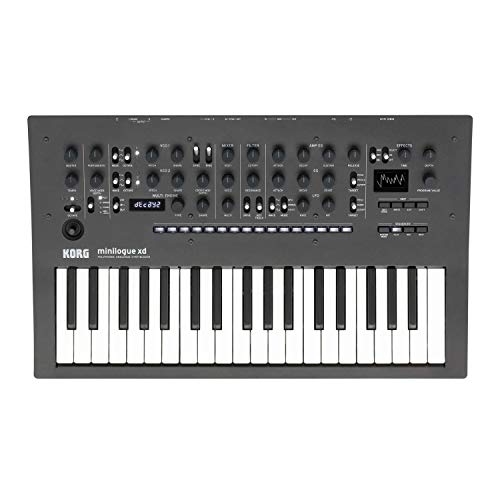
Korg Synthesizers
Our technology thoroughly searches through the online shopping world, reviewing hundreds of sites. We then process and analyze this information, updating in real-time to bring you the latest top-rated products. This way, you always get the best and most current options available.

Our Top Picks
Winner
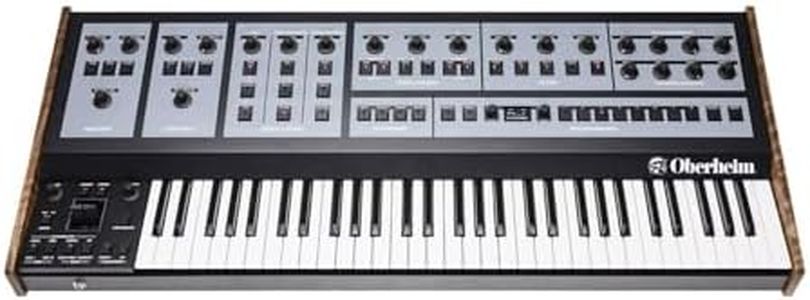
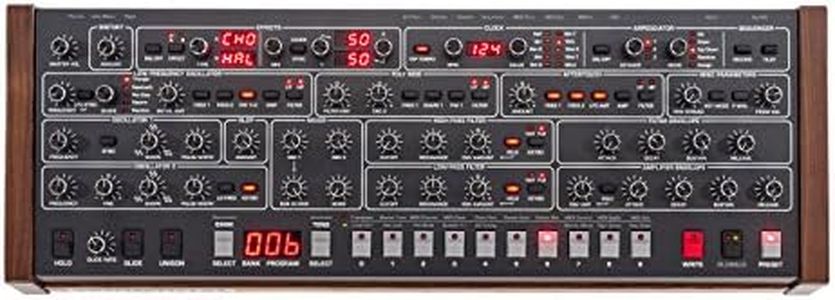
Oberheim OB-X8 8-voice Polyphonic Analog Synthesizer
The Oberheim OB-X8 is a powerful 8-voice polyphonic analog synthesizer that combines classic Oberheim sound design with modern build quality. It features two Voltage-Controlled Oscillators (VCOs) per voice, inspired by the SEM and OB-X lineage, which deliver rich and warm tones ideal for deep analog synthesis. The synthesizer uses classic SEM-style Voltage-Controlled Filters (VCFs) alongside Curtis filters, giving users a broad palette for shaping sound.
Equipped with a 61-key FATAR keyboard that is both velocity- and touch-sensitive, the OB-X8 provides expressive playability suited for live performance and studio work. The inclusion of an OLED display modernizes the interface, making navigation more intuitive compared to older analog synths. Polyphony is solid with 8 voices, allowing for lush chords and complex layering. The unit is substantial in size and weight, measuring over 46 inches wide and weighing 42 pounds, which may affect portability.
This synthesizer excels in sound quality and hands-on control, making it well-suited for serious synthesists or professionals who value authentic analog tones and robust build quality. Its design and features cater to those who prioritize rich sound and expressive performance capabilities.
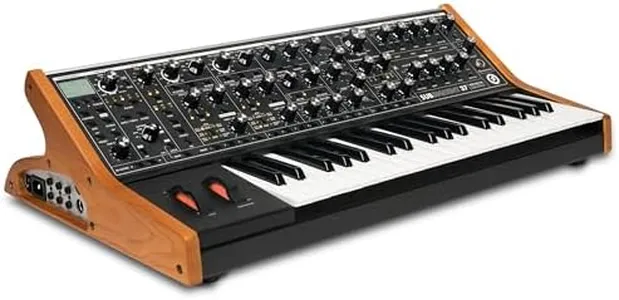
MOOG Subsequent 37 Paraphonic Analog Synthesizer and MIDI Keyboard with 37 Semi Weighted Keys, Headphone Amp, 256 Presets, Screen and Software Editor
Most important from
107 reviews
The Moog Subsequent 37 is a powerful analog synthesizer that offers a rich sound design experience thanks to its dual oscillators, sub oscillator, and noise generator. It features a 2-note paraphonic setup, allowing you to play two notes at once that share sound shaping elements like the filter and amplifier, expanding creative possibilities beyond monophonic synths. The synthesizer provides two envelopes and two LFOs with flexible modulation routing, enabling complex and interesting sound shaping.
Its 37 semi-weighted keys respond to velocity and aftertouch, making it expressive to play. Connectivity options include MIDI, USB, audio inputs and outputs, headphone jack, and CV/Gate inputs, fitting well into both modern and modular setups. The included software editor helps manage presets and facilitates sound tweaking from your computer.
Weighing 22 pounds, it is relatively heavy and lacks a color display, which may be less convenient for those preferring a more portable synth with a detailed screen. Featuring 256 presets and extensive hands-on controls, this synthesizer suits professional musicians and serious synthesizer enthusiasts seeking classic Moog tones combined with versatile modulation and sequencing capabilities.
Most important from
107 reviews
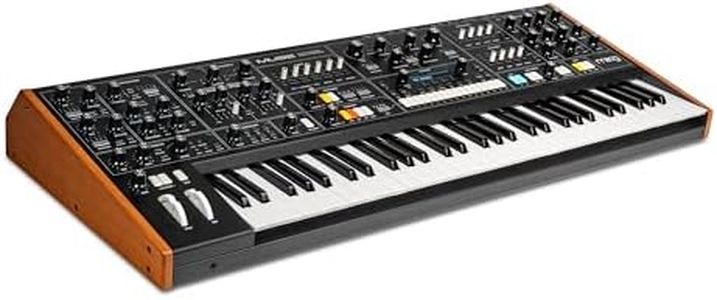
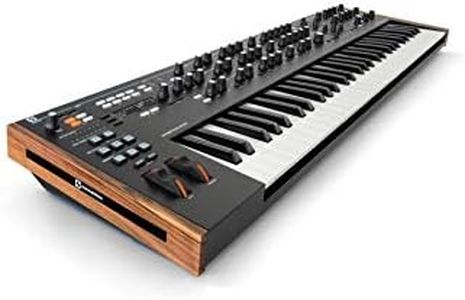
MOOG Muse - 8-Voice Analog Bi-Timbral Polyphonic Synthesizer with 61 Keys, 64-Step Sequencer, 256 Patches and Diffusion Delay
The Moog Muse is a powerful analog synthesizer designed for musicians seeking rich, vintage-style sounds with modern performance features. It offers 8-voice polyphony, allowing you to play up to eight notes at once, which is great for lush chords and complex textures. Each voice includes two main oscillators plus a modulation oscillator, providing a wide range of tonal possibilities. The use of dual transistor ladder filters and discrete VCAs contributes to that classic Moog warmth and character.
One standout feature is its diffusion delay effect, which adds spacious echoes and atmospheric layers, enriching your sound without needing extra pedals or effects units. The 64-step sequencer and arpeggiator give you plenty of tools to create evolving patterns and sequences, making it suitable for both studio work and live performances.
Connectivity-wise, it includes MIDI, which means it can easily integrate with other gear or software setups. The user interface is thoughtfully designed with a knob-per-function layout, which makes sound shaping intuitive and immediate—important for those new to analog synths or anyone who prefers hands-on control.
On the downside, the Muse is fairly large and heavy (32 pounds, about 39 inches wide), so it may not be the best choice if portability is a priority. While it offers a deep feature set, the learning curve might be a bit steep for absolute beginners without prior experience in synthesis. Also, the number of user patches is somewhat limited compared to some digital synths.
In summary, the Moog Muse suits keyboard players, producers, and sound designers who want high-quality analog tones combined with flexible sequencing and effects. It’s a solid option for those looking to bring classic analog warmth into their setups with a modern twist.
Buying Guide for the Best Analog Synthesizers
Choosing the right analog synthesizer can be a thrilling yet daunting task, especially with the variety of options available. Analog synthesizers are known for their warm, rich sounds and hands-on control, making them a favorite among musicians and producers. To find the best fit for you, it's important to understand the key specifications and how they align with your needs and preferences.FAQ
Most Popular Categories Right Now


