We Use CookiesWe use cookies to enhance the security, performance, functionality and for analytical and promotional activities. By continuing to browse this site you are agreeing to our privacy policy

10 Best Wifi Routers 2026 in the United States
How do we rank products for you?

Our technology thoroughly searches through the online shopping world, reviewing hundreds of sites. We then process and analyze this information, updating in real-time to bring you the latest top-rated products. This way, you always get the best and most current options available.

headphones-stars

Our Top Picks

#1

Winner

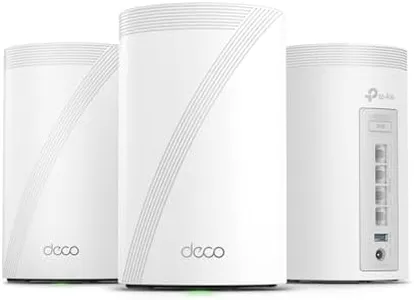
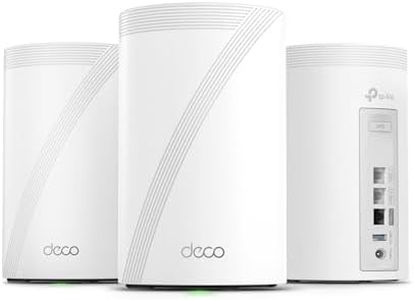
TP-Link Deco 7 Pro BE63 Tri-Band WiFi 7 BE10000 Whole Home Mesh System - 6-Stream 10 Gbps, 4x2.5G Ports Wired Backhaul, 4X Smart Internal Antennas, VPN, HomeShield, Free Expert Support (3-Pack)

Rating
10.0
Chosen by1,209
Wi-Fi Standard (e.g., Wi-Fi 5, Wi-Fi 6)
Coverage Area
Speed Rating

Most important from
1022 reviews

Wi-Fi Standard (e.g., Wi-Fi 5, Wi-Fi 6)
Speeds reach near gigabit levels wired and wireless, with the 6 GHz WiFi 7 band delivering impressively low latency and lag-free streaming or gaming.
Coverage Area
Coverage is strong and consistent throughout the home, with seamless handoff between nodes and no dropouts even when moving around during calls.
Speed Rating
Speeds reach near gigabit levels wired and wireless, with the 6 GHz WiFi 7 band delivering impressively low latency and lag-free streaming or gaming.
Number and Type of Ports
The inclusion of multiple 2.5G Ethernet ports per unit is excellent for future-proofing wired connections and supports multi-gig internet plans effectively.
Security Features
Certain Linux devices experienced connection issues related to WPA3 protocol compatibility on the 6 GHz band, but Ethernet connections resolved these problems and achieved excellent speeds.
Mesh Networking Capability
Coverage is strong and consistent throughout the home, with seamless handoff between nodes and no dropouts even when moving around during calls.

The TP-Link Deco 7 Pro BE63 is a high-end tri-band WiFi 7 mesh system designed to cover large homes up to 7,600 sq.ft. It supports extremely fast speeds, with up to 10 Gbps wired backhaul and wireless speeds over 5 Gbps on the 6 GHz band, making it ideal for heavy internet users, 4K/8K streaming, and gaming. The system includes three units, enabling seamless whole-home coverage with support for over 200 devices, so it's great for busy households or tech enthusiasts. It features four 2.5G Ethernet ports per unit plus a USB 3.0 port, which is excellent for future-proofing your wired connections. Security is strong with WPA3 encryption, built-in VPN client/server support, and TP-Link’s HomeShield offering parental controls and IoT protection.

Setup and management are simplified through the Deco app, which also keeps your network updated and optimized. This system is on the pricier side and may be more advanced than needed for smaller homes or casual users. Additionally, while wired backhaul improves performance, it requires at least two Deco units connected by Ethernet to work fully. If you want top-tier speed, wide coverage, and robust security in a mesh format, this TP-Link model is a solid choice, especially if you plan to support many devices and future network upgrades.

Rating
10.0
Chosen by1,209
Wi-Fi Standard (e.g., Wi-Fi 5, Wi-Fi 6)
Coverage Area
Speed Rating

Most important from
1022 reviews

Wi-Fi Standard (e.g., Wi-Fi 5, Wi-Fi 6)
Speeds reach near gigabit levels wired and wireless, with the 6 GHz WiFi 7 band delivering impressively low latency and lag-free streaming or gaming.
Coverage Area
Coverage is strong and consistent throughout the home, with seamless handoff between nodes and no dropouts even when moving around during calls.
Speed Rating
Speeds reach near gigabit levels wired and wireless, with the 6 GHz WiFi 7 band delivering impressively low latency and lag-free streaming or gaming.
Number and Type of Ports
The inclusion of multiple 2.5G Ethernet ports per unit is excellent for future-proofing wired connections and supports multi-gig internet plans effectively.
Security Features
Certain Linux devices experienced connection issues related to WPA3 protocol compatibility on the 6 GHz band, but Ethernet connections resolved these problems and achieved excellent speeds.
Mesh Networking Capability
Coverage is strong and consistent throughout the home, with seamless handoff between nodes and no dropouts even when moving around during calls.
#2

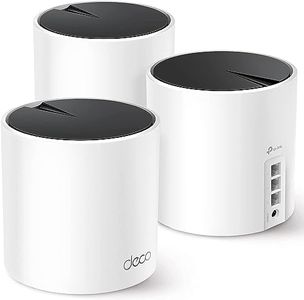
TP-Link Deco XE75 AXE5400 Tri-Band WiFi 6E System - Wi-Fi up to 7200 Sq.Ft, Engadget Rated Best for Most People, Replaces WiFi Router and Extender, AI-Driven New 6GHz Band, 3-Pack

Rating
8.2
Wi-Fi Standard
Coverage Area
Speed Rating

Most important from
2127 reviews

Wi-Fi Standard
The system’s price point offers great value given its robust coverage, modern Wi-Fi 6E technology, and feature set.
Coverage Area
The mesh system delivers seamless Wi-Fi coverage throughout large homes, extending strong signals even to garages and yards without dead zones.
Speed Rating
The system handles multiple devices effortlessly, maintaining excellent speeds and stable connections for streaming, gaming, and work-from-home setups.
Security Features
Advanced customization options allow prioritizing connections for specific devices and bands, optimizing performance for critical equipment like security cameras.
Mesh Networking Capability
The mesh system delivers seamless Wi-Fi coverage throughout large homes, extending strong signals even to garages and yards without dead zones.

The TP-Link Deco XE75 is a solid choice for anyone needing strong, reliable Wi-Fi coverage across a large home or office, thanks to its Tri-Band WiFi 6E technology. It supports the latest Wi-Fi standard (WiFi 6E), which adds a new 6 GHz band to reduce interference and boost speeds—ideal if you have many devices or want smoother streaming and gaming. The system covers up to 7,200 square feet with a set of three units, making it effective for eliminating dead zones. Its total network speed can reach up to 5,400 Mbps, split across three bands (6 GHz, 5 GHz, and 2.4 GHz), allowing many devices to connect without slowing down. It also features 9 Ethernet ports for wired connections, which is plenty for smart TVs, gaming consoles, or desktop computers.

Security is strong, with advanced WPA3 encryption and regular updates, plus extra protection through TP-Link’s HomeShield service that guards IoT devices and includes parental controls. The mesh networking is AI-driven, automatically optimizing your Wi-Fi as you move through your home. Setup is straightforward using the Deco app, which even supports voice commands through Alexa. Keep in mind that to use the 6 GHz band fully, your devices need to support WiFi 6E; otherwise, you won’t see all the benefits. While the system is robust, it requires a separate modem and may be more than needed for small apartments or very light internet use. This makes the Deco XE75 an excellent option if you want modern Wi-Fi technology, wide coverage, and easy management, especially in medium to large homes with many connected devices.

Rating
8.2
Wi-Fi Standard
Coverage Area
Speed Rating

Most important from
2127 reviews

Wi-Fi Standard
The system’s price point offers great value given its robust coverage, modern Wi-Fi 6E technology, and feature set.
Coverage Area
The mesh system delivers seamless Wi-Fi coverage throughout large homes, extending strong signals even to garages and yards without dead zones.
Speed Rating
The system handles multiple devices effortlessly, maintaining excellent speeds and stable connections for streaming, gaming, and work-from-home setups.
Security Features
Advanced customization options allow prioritizing connections for specific devices and bands, optimizing performance for critical equipment like security cameras.
Mesh Networking Capability
The mesh system delivers seamless Wi-Fi coverage throughout large homes, extending strong signals even to garages and yards without dead zones.
#3

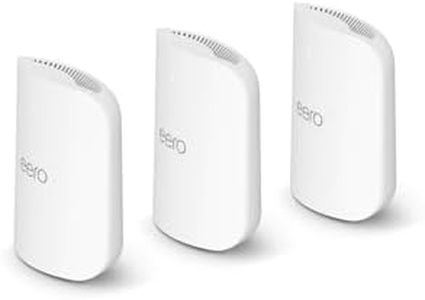
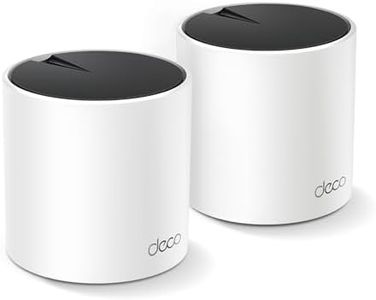
TP-Link Deco X55 AX3000 WiFi 6 Mesh System - Covers up to 6500 Sq.Ft, Replaces Wireless Router and Extender, 3 Gigabit Ports per Unit, Supports Ethernet Backhaul, Deco X55(3-Pack)

Rating
8.2
Coverage Area
Wi-Fi Standard (e.g., Wi-Fi 5, Wi-Fi 6)
Speed Rating

Most important from
12950 reviews

Coverage Area
Delivers consistent, high-speed Wi-Fi throughout every corner of the home, effectively eliminating dead zones.
Wi-Fi Standard (e.g., Wi-Fi 5, Wi-Fi 6)
Equipped with Wi-Fi 6 technology, it provides lightning-fast speeds and low latency, handling up to 150 devices effortlessly.
Speed Rating
Doubled internet speeds in large homes compared to previous range extenders, matching speeds close to a direct modem connection.
Number and Type of Ports
Supports Ethernet backhaul for improved throughput, enhancing stability and performance when wired connections are available.

The TP-Link Deco X55 is a strong choice for those looking to cover a large home with fast, reliable Wi-Fi. It uses the latest Wi-Fi 6 technology, which means better speed and efficiency, especially when many devices are connected—up to 150 at once. This 3-pack covers up to 6,500 square feet, making it great for bigger homes or spaces with Wi-Fi dead zones. The system is dual-band, providing both 2.4 GHz and 5 GHz frequencies for a balance of coverage and speed.

Each unit offers three Gigabit Ethernet ports, which is convenient if you want to connect wired devices like gaming consoles or smart TVs for more stable connections. You can also use Ethernet backhaul, which helps improve the connection between the units if you run cables between them. Security is well covered, with support for the latest WPA3 encryption and additional TP-Link HomeShield features, including parental controls and network protection, which is a plus for families. The setup is user-friendly via the Deco app, making it simple to manage your network even if you’re not at home.

It’s important to note this system does not include a modem, so you’ll need one to connect to your internet provider. Also, while it supports many devices, if you have very high internet speeds above the AX3000 standard, you might see some limitations. This mesh system is designed for users wanting to eliminate Wi-Fi dead spots with a secure, easy-to-use setup that supports multiple devices across a large area.

Rating
8.2
Coverage Area
Wi-Fi Standard (e.g., Wi-Fi 5, Wi-Fi 6)
Speed Rating

Most important from
12950 reviews

Coverage Area
Delivers consistent, high-speed Wi-Fi throughout every corner of the home, effectively eliminating dead zones.
Wi-Fi Standard (e.g., Wi-Fi 5, Wi-Fi 6)
Equipped with Wi-Fi 6 technology, it provides lightning-fast speeds and low latency, handling up to 150 devices effortlessly.
Speed Rating
Doubled internet speeds in large homes compared to previous range extenders, matching speeds close to a direct modem connection.
Number and Type of Ports
Supports Ethernet backhaul for improved throughput, enhancing stability and performance when wired connections are available.

Buying Guide for the Best Wifi Routers

Choosing the right Wi-Fi router can make a big difference to the speed, coverage, and stability of your home or office internet. It's important to think about how many devices will connect, the size of your space, and your typical internet activities (like streaming, working from home, gaming, or just browsing). Start by understanding the main features routers offer—by knowing what each does, you can more easily match a router to your specific needs.
Wi-Fi Standard (e.g., Wi-Fi 5, Wi-Fi 6)The Wi-Fi standard is basically the technology generation the router uses. Newer standards (like Wi-Fi 6) are faster, handle more devices at once, and are generally better at managing crowding in busy areas. Older standards (like Wi-Fi 5) are fine for basic browsing on a small number of devices, while newer ones are best if you have a smart home with lots of devices or do high-bandwidth activities like 4K streaming or gaming. If your devices (phones, laptops, etc.) also support the newer standard, picking a matching router gives you the most benefit.
Frequency Bands (Single-Band, Dual-Band, Tri-Band)Routers broadcast Wi-Fi on different radio frequencies called bands—most commonly 2.4 GHz and 5 GHz. Single-band only offers 2.4 GHz, which travels farther but at slower speeds. Dual-band lets your devices use both 2.4 and 5 GHz, with the 5 GHz band being faster but with a shorter range. Tri-band routers add an extra 5 GHz band, which helps if you have many high-use devices. If your household streams movies and plays games, go for at least dual-band. Tri-band is for busy households with lots of heavy users.
Coverage AreaCoverage area tells you how much space the router can cover with a strong signal. Smaller apartments typically do fine with basic coverage, while large homes or spaces with multiple floors need routers with range-extending features like additional antennas or mesh systems. Think about where you’ll place the router and whether walls or distance might weaken the signal—if so, look for a router known for strong coverage.
Speed RatingRouter speed ratings (often shown in Mbps or Gbps) are the maximum speeds the router can support. For general browsing, lower speeds might be enough, but if you have a fast internet plan, stream lots of video, or play online games, pick a router with a higher speed rating. Keep in mind that real-world speeds are usually lower than advertised, but getting a router with a speed at or above your internet service can prevent bottlenecks.
Number and Type of PortsRouters have ports to plug in wired devices—usually Ethernet for computers or gaming consoles, and sometimes USB for printers or storage. If you have devices that need wired connections for reliability or speed, count how many ports you'll need. Wired connections are great for gaming, working from home, or stable video calls.
Security FeaturesModern routers come with built-in security tools like firewalls, WPA3 encryption, and sometimes features like guest networks or parental controls. Security is important for privacy and for keeping your network safe from unwanted access. If you want to manage who uses your Wi-Fi, set usage rules, or feel more protected, look out for these features.
Mesh Networking CapabilitySome routers can become part of a mesh system, which uses multiple routers to spread a strong Wi-Fi signal throughout your space. If you have a big house or areas where Wi-Fi is weak, a router with mesh capabilities can be expanded with extra units to ensure smooth coverage everywhere. This is especially useful if your signal drops off far from the router or if you have complex layouts or multiple floors.

FAQ

Most Popular Categories Right Now