We Use CookiesWe use cookies to enhance the security, performance, functionality and for analytical and promotional activities. By continuing to browse this site you are agreeing to our privacy policy

10 Best Waterproofing Membranes 2026 in the United States
How do we rank products for you?

Our technology thoroughly searches through the online shopping world, reviewing hundreds of sites. We then process and analyze this information, updating in real-time to bring you the latest top-rated products. This way, you always get the best and most current options available.

headphones-stars

Our Top Picks

#1

Winner

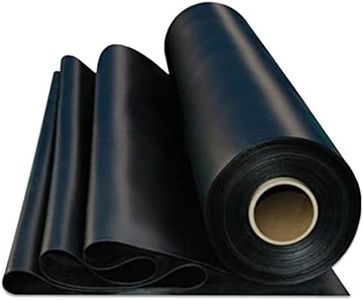
15' x 100' Firestone Rubbergard 60-Mil EPDM Roofing Rubber

Rating
10.0
Chosen by1,399
Material Type
Thickness
Application Method

Most important from
305 reviews

Material Type
The membrane offers excellent quality with durable rubber that stands up well to wear and tear.
Thickness
The thickness and material quality provide strong protection against UV rays and weather exposure.
Application Method
Installation is straightforward, with factory-glued seams that look flawless and adhere well.
UV Resistance
The thickness and material quality provide strong protection against UV rays and weather exposure.
Flexibility
Its large size and flexibility make it easy to cover irregular roof shapes and trim for a perfect fit.

The Firestone Rubbergard 60-Mil EPDM membrane is a popular choice for waterproofing low-slope roofs or decks, measuring 15 by 100 feet and made from durable rubber. Its 60-mil thickness offers strong protection against wear and tear, making it long-lasting and cost-effective over time. The material is flexible, which helps it easily conform to unusual roof shapes—great if your surface isn’t perfectly flat or if you’re handling the installation yourself.

This flexibility also makes it easier to install without needing special tools or professional help. The membrane provides excellent resistance to UV rays and many chemicals, which helps prevent damage from sun exposure and common substances it may encounter outdoors. However, you should order a liner slightly larger than your roof or deck dimensions, because an exact fit won’t allow for proper coverage and sealing.

The product is heavy (about 600 pounds) and ships via freight truck, so handling might require some planning. Widely praised for durability and ease of use, this membrane is ideal if you want a reliable, versatile waterproofing solution for residential or light commercial roofs, especially if you prefer a DIY approach or want to avoid frequent maintenance.

Rating
10.0
Chosen by1,399
Material Type
Thickness
Application Method

Most important from
305 reviews

Material Type
The membrane offers excellent quality with durable rubber that stands up well to wear and tear.
Thickness
The thickness and material quality provide strong protection against UV rays and weather exposure.
Application Method
Installation is straightforward, with factory-glued seams that look flawless and adhere well.
UV Resistance
The thickness and material quality provide strong protection against UV rays and weather exposure.
Flexibility
Its large size and flexibility make it easy to cover irregular roof shapes and trim for a perfect fit.
#2

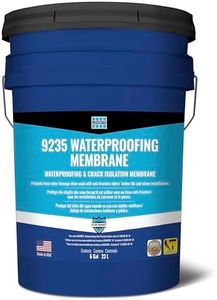
LATICRETE 9235 Waterproofing Membrane Full Unit

The LATICRETE 9235 Waterproofing Membrane Full Unit is designed for those looking to waterproof surfaces efficiently. Made from rubber, it ensures a high level of water resistance, making it ideal for use with materials like stone and tile. The product is liquid in form, which suggests it can be applied easily, even in challenging areas.

With a compact style and a decent package size of 6 gallons, it is suitable for both small and large projects. The membrane has UV resistance and chemical resistance attributes, ensuring that it remains durable and effective even when exposed to harsh conditions. Flexibility is a critical factor for waterproofing membranes, and the rubber material used likely contributes to its ability to flex without cracking.

Weighing 78.8 pounds, it is relatively heavy, so handling might require some effort. This product is particularly useful for those working on flooring and tiling projects, where durable waterproofing is essential. Consideration of the application method and potential handling challenges should be taken into account when planning a project with this membrane.

#3

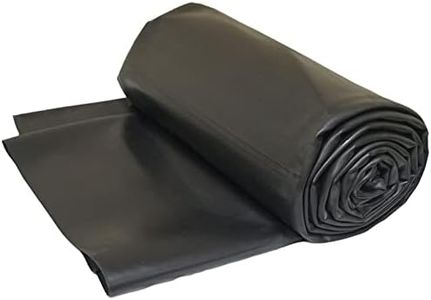
10' X 40' Firestone RubberGard 45-Mil EPDM Roofing Rubber

Rating
8.2
Material Type
Thickness
Application Method

Most important from
653 reviews

Material Type
The upgraded liner offers long-lasting durability that justifies the investment.
Thickness
The 45-mil thickness strikes a perfect balance of being heavy-duty yet flexible enough to conform to curved surfaces and edges.
Application Method
Installation is straightforward even for novices, with the material cutting easily and laying flat without bumps.
Flexibility
The 45-mil thickness strikes a perfect balance of being heavy-duty yet flexible enough to conform to curved surfaces and edges.

The Firestone RubberGard 45-Mil EPDM Roofing Rubber is a popular choice for waterproofing low-slope roofs and decks, offering a durable and flexible solution. Made from 45-mil thick EPDM rubber, this membrane provides excellent protection against water while being tough enough to handle various weather conditions. Its thickness is enough to ensure good durability without being too bulky, which helps with installation.

The material is known for its flexibility, making it ideal for covering unusual roof shapes and easier for both DIY homeowners and contractors to work with. It also stands up well to UV exposure and many chemicals, which helps the roof last longer without degrading. One important note is that the product comes in a fixed 10 by 40-foot size, so you should order a slightly larger piece than your exact roof or deck measurements to ensure full coverage without gaps.

While it’s highly effective for roofing, it might be heavier and less convenient if you need to handle it alone due to its weight. This membrane offers good value through its strong durability, ease of use, and versatility, making it a solid choice for anyone looking to waterproof a roof or deck with a long-lasting, flexible material.

Rating
8.2
Material Type
Thickness
Application Method

Most important from
653 reviews

Material Type
The upgraded liner offers long-lasting durability that justifies the investment.
Thickness
The 45-mil thickness strikes a perfect balance of being heavy-duty yet flexible enough to conform to curved surfaces and edges.
Application Method
Installation is straightforward even for novices, with the material cutting easily and laying flat without bumps.
Flexibility
The 45-mil thickness strikes a perfect balance of being heavy-duty yet flexible enough to conform to curved surfaces and edges.

Buying Guide for the Best Waterproofing Membranes

Choosing the right waterproofing membrane is crucial for ensuring the longevity and durability of your construction project. Waterproofing membranes are used to prevent water from penetrating into structures, which can cause significant damage over time. When selecting a waterproofing membrane, it's important to consider several key specifications to ensure you get the best fit for your specific needs. Here are the key specs you should focus on and how to navigate them.
Material TypeThe material type of a waterproofing membrane is important because it determines the membrane's durability, flexibility, and suitability for different environments. Common materials include bituminous, PVC, TPO, and EPDM. Bituminous membranes are known for their durability and are often used in roofing. PVC and TPO membranes are flexible and resistant to chemicals, making them suitable for a variety of applications. EPDM is highly durable and resistant to UV radiation, making it ideal for exposed areas. Choose a material based on the specific requirements of your project, such as exposure to sunlight, chemicals, or mechanical stress.
ThicknessThe thickness of a waterproofing membrane affects its durability and ability to withstand mechanical damage. Thicker membranes generally provide better protection but can be more difficult to install. Membranes typically range from 1mm to 4mm in thickness. For areas with high foot traffic or potential mechanical damage, a thicker membrane (3-4mm) is recommended. For less demanding applications, a thinner membrane (1-2mm) may suffice. Consider the level of protection needed for your specific application when choosing the thickness.
Application MethodThe application method of a waterproofing membrane can impact the ease and speed of installation. Common methods include self-adhesive, torch-applied, and liquid-applied membranes. Self-adhesive membranes are easy to install and require minimal equipment, making them suitable for DIY projects. Torch-applied membranes require a propane torch for installation and are typically used by professionals for larger projects. Liquid-applied membranes are versatile and can be used on irregular surfaces, but they require more skill to apply evenly. Choose an application method that matches your skill level and the complexity of your project.
UV ResistanceUV resistance is an important spec if the waterproofing membrane will be exposed to sunlight. UV radiation can degrade some materials over time, reducing their effectiveness. Membranes with high UV resistance, such as those made from EPDM or certain types of PVC, are ideal for exposed applications like rooftops. If the membrane will be covered or used in an area not exposed to direct sunlight, UV resistance may be less critical. Consider the exposure conditions of your project when evaluating UV resistance.
Chemical ResistanceChemical resistance is crucial if the waterproofing membrane will be exposed to chemicals, oils, or other harsh substances. Some materials, like PVC and TPO, offer excellent chemical resistance and are suitable for industrial applications or areas where chemical spills are possible. If the membrane will be used in a residential setting or an area with minimal chemical exposure, chemical resistance may be less of a concern. Assess the potential for chemical exposure in your project to determine the importance of this spec.
FlexibilityFlexibility is important for waterproofing membranes that need to conform to irregular surfaces or accommodate structural movements. Flexible membranes, such as those made from TPO or EPDM, can stretch and bend without breaking, making them ideal for complex surfaces or areas prone to movement. Rigid membranes may be more durable but can crack under stress. Consider the surface and structural conditions of your project when evaluating the flexibility of a membrane.

FAQ

Most Popular Categories Right Now