10 Best Smart TV Antennas 2026 in the United States

Related Products
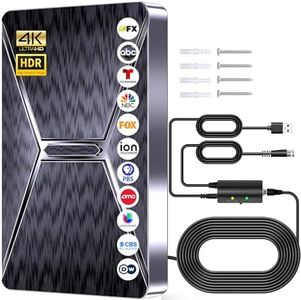
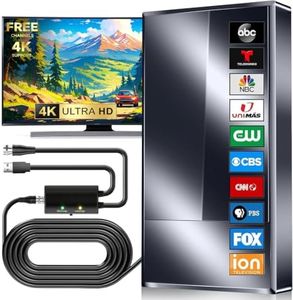
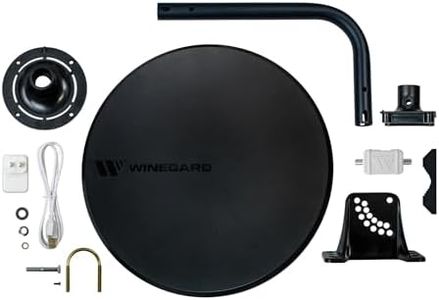
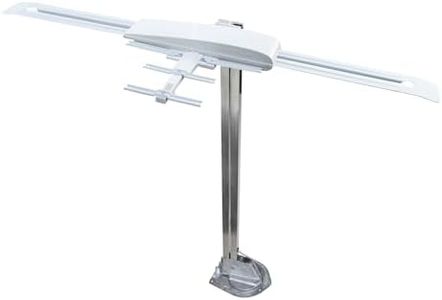
Our technology thoroughly searches through the online shopping world, reviewing hundreds of sites. We then process and analyze this information, updating in real-time to bring you the latest top-rated products. This way, you always get the best and most current options available.

Our Top Picks
Winner
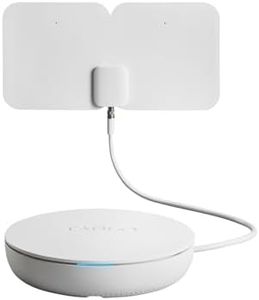
Tablo 4th Gen 4-Tuner Over-The-Air (OTA) DVR + 35-Mile Indoor TV Antenna - Watch, Pause & Record Live TV, News, Sports & Movies in Your Home Over Wi-Fi - 50+ Hrs Recording - No Subscriptions (Renewed)
Most important from
22 reviews
The Tablo 4th Gen OTA DVR features a built-in 35-mile indoor TV antenna designed to receive local broadcast channels like ABC, CBS, FOX, and NBC without subscription fees. Its range suits many urban or suburban homes, though reception can vary based on location, walls, and obstacles. The indoor antenna allows easier installation without rooftop setup but may limit signal strength compared to outdoor antennas. The device uses ATSC tuners to support common broadcast frequencies in the US.
The DVR functionality includes four tuners, enabling you to watch one channel while recording up to three others simultaneously, which is ideal for capturing multiple shows. It comes with 128GB of onboard storage, approximately 50 hours of recordings, and supports adding a large external drive via USB for expanded space. The system operates over Wi-Fi, allowing streaming of live or recorded content to multiple devices like smartphones, tablets, and various smart TVs or streaming players, although it's not compatible with non-smart TVs or certain specific models.
Installation is straightforward with included cables and a useful app, but optimal antenna placement—such as near a window or higher location—is important for best signal reception. The omnidirectional antenna design eliminates the need to manually point it toward broadcast towers, providing flexible placement options. The device requires a steady internet connection for full functionality, including access to additional free streaming channels beyond traditional broadcasts. The 90-day warranty is relatively short compared to some competitors. This Tablo kit offers a convenient solution for watching and recording free over-the-air TV on multiple devices without ongoing fees if you live within reasonable distance of broadcast towers; however, those needing stronger reception or living far from towers might consider a more powerful outdoor antenna.
Most important from
22 reviews
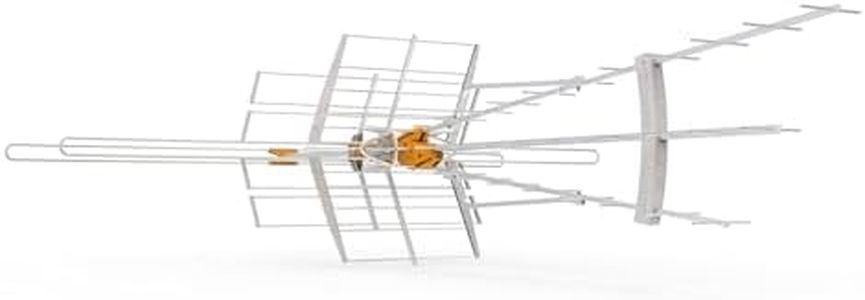
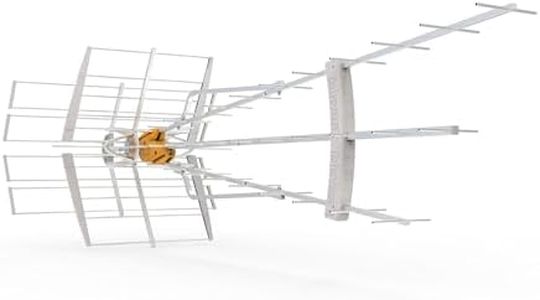
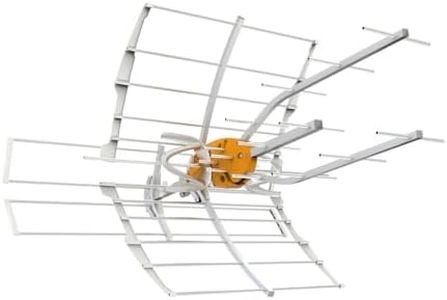
Televes DAT BOSS Mix LR 148383 Full-Band HDTV Antenna – Long-Range Low VHF/High VHF/UHF Reception with TForce BOSS Amplifier, FM & LTE/4G/5G Filtering, Up to 100 mi - Made in Spain
Most important from
200 reviews
The Televes DAT BOSS Mix LR is a powerful outdoor directional TV antenna designed for users living in rural or fringe areas, up to 100 miles from broadcast towers. It covers a full range of broadcast frequencies, including Low VHF, High VHF, and UHF bands, making it a good choice especially if you need to pick up those harder-to-receive Low VHF channels. Its built-in TForce BOSS amplifier smartly adjusts gain across different frequency bands to keep the picture clear without signal overload or drops.
This antenna includes helpful filtering to reduce interference from FM radio and nearby cellular signals (4G/5G), which can cause static or loss of channels. Its directional design with triple booms helps focus reception toward your broadcast towers while reducing signal reflections that can cause ghosting. The construction is weather-resistant and durable, built to last many years outside, and the package includes mounting hardware and power inserter for easier setup on masts between 0.78" and 2.4" diameter. The antenna can work both amplified (powered) or passively if power is not available.
Due to its large size and outdoor mounting requirement (104"x81"), it is best suited for users comfortable with some installation effort and who have space to mount it. As a premium product with patented European technology and excellent reception capabilities, it comes with a 1-year warranty and carries a price point likely higher than basic indoor antennas. The Televes DAT BOSS Mix LR is a strong option if you need robust, long-distance, full-band reception outdoors, especially in areas with Low VHF signals and weak coverage. Its advanced amplification and filtering combined with durable build quality make it ideal for demanding environments, though its larger size and directional nature are not suited for casual users or those seeking a simple indoor plug-and-play antenna.
Most important from
200 reviews
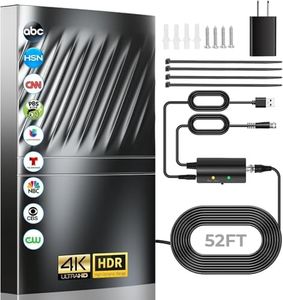
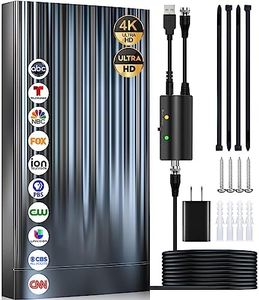
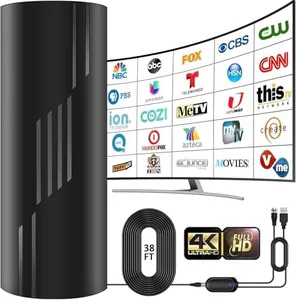
Digital TV Antenna Indoor Outdoor,2200+ Miles Long Range HD Antenna for Smart TV 7112319
This NGGNGG digital TV antenna offers an impressive 2200-mile range, enabling it to pick up signals from distant broadcast towers and potentially providing access to many local channels without any subscription. It is designed for both indoor and outdoor use, adding flexibility depending on your home setup, and includes a built-in signal booster to improve picture quality, especially for live sports and movies in HD (up to 4K/1080p).
Installation and mounting options are standard but may require some effort, particularly for outdoor use. This antenna serves as a budget-friendly option for watching major local channels if you are comfortable with some setup.
For those living in areas with challenging signal conditions or seeking guaranteed premium reception, exploring more specialized models might be advisable.
Buying Guide for the Best Smart TV Antennas
Choosing the right smart TV antenna can significantly enhance your viewing experience by providing access to a wide range of channels with high-quality reception. When selecting an antenna, it's important to consider various specifications that will determine how well the antenna performs in your specific location and for your particular needs. Understanding these key specs will help you make an informed decision and ensure you get the best fit for your setup.FAQ
Most Popular Categories Right Now


