10 Best Rv Quiet Portable Generators 2026 in the United States

Related Products
Up to 12% off
Our technology thoroughly searches through the online shopping world, reviewing hundreds of sites. We then process and analyze this information, updating in real-time to bring you the latest top-rated products. This way, you always get the best and most current options available.

Our Top Picks
Winner
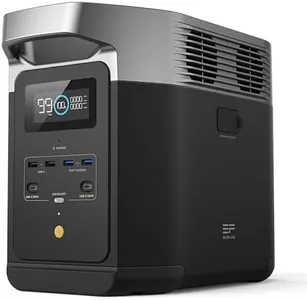
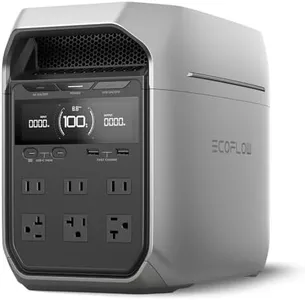
EF ECOFLOW Portable Power Station DELTA 2, 1024Wh LiFePO4 (LFP) Battery, 1800W AC/100W USB-C Output, Solar Generator(Solar Panel Optional) for Home Backup Power, Camping & RVs
The EF ECOFLOW DELTA 2 is a powerful, quiet portable power station well-suited for RV users and campers who want clean, reliable energy without the noise and fumes of traditional gas generators. It offers a strong 1800-watt continuous output with a 2700-watt surge, capable of powering most RV appliances and devices. Thanks to its lithium iron phosphate (LiFePO4) battery, it provides a long lifespan with over 3000 charge cycles, which is great if you plan to use it frequently over many years. The built-in inverter technology ensures stable, safe power output, ideal for sensitive electronics. This model can recharge very quickly—up to 80% in just 50 minutes when plugged into AC power, which beats many competitors and reduces downtime. It’s also solar-ready, accepting up to 500 watts of solar input for off-grid or extended outdoor use.
Portability is good, weighing about 27 pounds, and the compact size makes it manageable for RV travel though not the lightest option available. The runtime depends on what you’re powering, but with 1024Wh capacity, it should cover typical RV needs for several hours or more. It features 15 outlets, offering versatility to connect various devices simultaneously. Noise-wise, since it’s electric and inverter-based, it operates quietly compared to gas generators, making it a good choice for campgrounds or quiet environments.
One thing to consider is the price, as units with this level of tech and battery chemistry tend to be more costly than basic gas models, but the long-term benefits in noise, maintenance, and fuel savings may justify it. Also, while expandable up to 3kWh, that adds to the investment and weight. The DELTA 2 represents a solid option for those needing a quiet, efficient, and fast-charging power source for RVs or camping, especially if you want to avoid gas and noise without compromising on power.
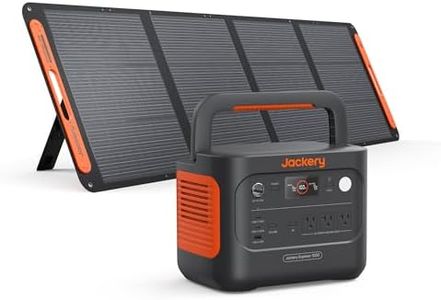
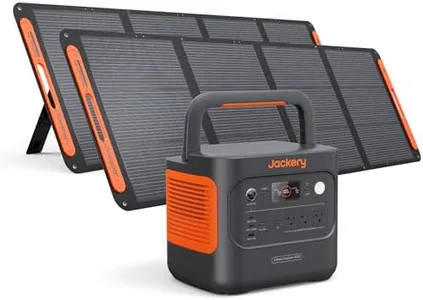
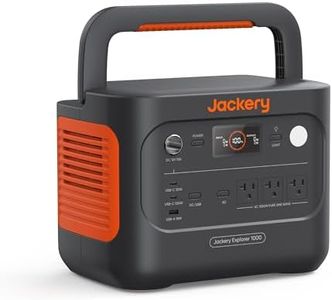
Jackery Solar Generator 1000 v2 with 200W Solar Panel,1070Wh Portable Power Station LiFePO4 Battery,1500W AC/100W USB-C Output, 1Hr Fast Charge for Outdoor,Off-Grid Living,RV,Emergency
Most important from
1332 reviews
The Jackery Solar Generator 1000 v2 is a strong choice for those needing a quiet and portable power source for RV trips, camping, or emergency use. It delivers a solid 1500 watts of continuous power with a 3000-watt surge capacity, enough to run appliances like air conditioners and refrigerators. Its 1070Wh LiFePO4 battery offers durability with over 4,000 charge cycles, meaning it can last more than 10 years with good care. Weighing about 24 pounds and equipped with a foldable handle, it’s easy to carry around, making it well-suited for outdoor activities.
The included 200W solar panel helps recharge the battery sustainably, although it takes around 6 hours to reach 80% charge via solar, which is slower compared to the 1-hour fast charging option using the Jackery app and emergency mode. This fast charging feature is very convenient but requires app activation each time and might slightly affect battery health if used frequently. Noise levels are very low, especially in overnight charging mode, making it a quiet alternative to gas generators. Multiple output ports—including USB-C with fast charging—allow powering several devices simultaneously.
A minor downside is that the solar panel and power station are shipped separately, which might be inconvenient initially. Also, the runtime is about 2 hours at full load, so planning for recharging is necessary. The Jackery Solar Generator 1000 v2 is a versatile, eco-friendly, and user-friendly option for those prioritizing quiet operation and portability over extended runtime.
Most important from
1332 reviews
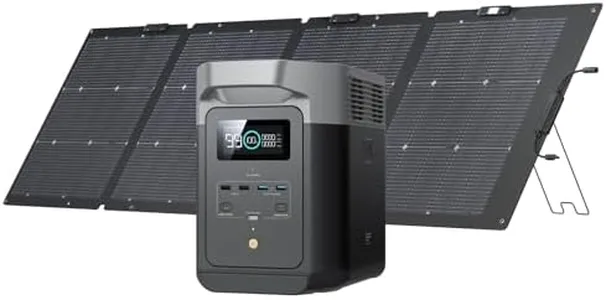
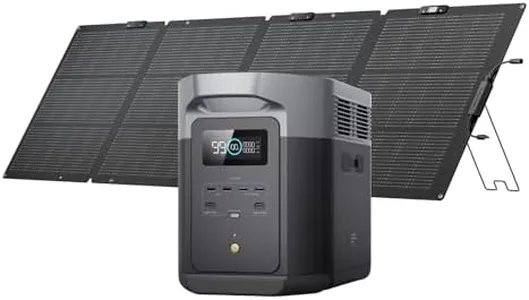
EF ECOFLOW Solar Generator Delta 2 with 220W Solar Panel, 1024Wh LFP(LiFePO4) Battery, 1800W AC/100W USB-C Output, Fast Charging Portable Power Station for Home Backup Power, Camping & RVs
The EF ECOFLOW Solar Generator Delta 2 is a strong option for anyone needing quiet, portable power for RV trips, camping, or home backup. It offers a solid 1800W output, capable of running most household and RV appliances without the fumes or noise of traditional gas generators. The 1024Wh lithium iron phosphate (LiFePO4) battery is more durable and safer than standard lithium batteries, with a long cycle life that means it can last for years of regular use. It supports fast charging and can be topped up by solar panels, including the included 220W bifacial solar panel that captures more sunlight for better efficiency.
You can also add extra batteries to increase capacity up to 3kWh if you need longer runtimes. With 15 outlets, it provides versatile power options for a variety of devices. On the downside, the generator weighs about 58 pounds, which may be a bit heavy to carry for some, so it’s better suited for setups where it can stay in one place most of the time. The runtime will depend on the power draw and solar input, so while it can last well with moderate use and sunny conditions, heavy continuous use might require recharging more often.
This generator uses inverter technology, so it delivers clean, stable power safe for sensitive electronics. The Delta 2 represents a quiet, eco-friendly, and powerful choice for RV owners or campers who prioritize clean energy and reliability, but its weight and variable runtime are worth keeping in mind.
Buying Guide for the Best Rv Quiet Portable Generators
Choosing the right RV quiet portable generator can significantly enhance your camping experience by providing reliable power without disturbing the peace. When selecting a generator, it's important to consider several key specifications to ensure it meets your power needs, operates quietly, and is easy to transport. Understanding these specifications will help you make an informed decision and find the best fit for your RV adventures.FAQ
Most Popular Categories Right Now


