We Use CookiesWe use cookies to enhance the security, performance, functionality and for analytical and promotional activities. By continuing to browse this site you are agreeing to our privacy policy

10 Best Outdoor Wifi Extenders 2026 in the United States
How do we rank products for you?

Our technology thoroughly searches through the online shopping world, reviewing hundreds of sites. We then process and analyze this information, updating in real-time to bring you the latest top-rated products. This way, you always get the best and most current options available.

headphones-stars

Our Top Picks

#1

Winner

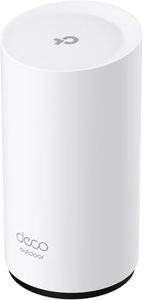
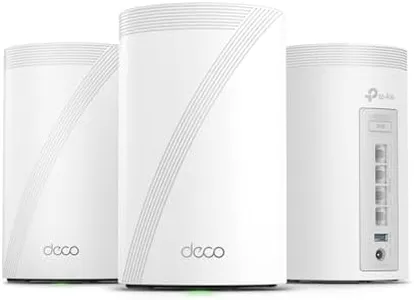
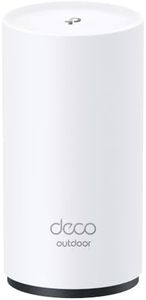
TP-Link Deco 7 Outdoor BE25 BE5000 Dual-Band Wi-Fi 7 Mesh Extender – Up to 2,800 sq. ft., Dual 2.5G PoE+ Ports, IP65 Waterproof, MLO, Multiple Mounting Options, Secure by Design, 1-Pack

Rating
10.0
Chosen by1,266
Range (Coverage Area)
Dual-Band or Single-Band

Most important from
235 reviews

Range (Coverage Area)
The mesh system dramatically improves Wi-Fi coverage and speed, nearly doubling internet speeds and delivering consistent, strong signals even to outdoor cameras.
Dual-Band or Single-Band
Dual-band operation with a single SSID simplifies connectivity by automatically managing device connections to the optimal 2.4 GHz or 5 GHz band without user intervention.

The TP-Link Deco BE25-Outdoor BE5000 is a strong choice for extending Wi-Fi outdoors thanks to its cutting-edge Wi-Fi 7 technology, which offers very fast speeds—up to 4,324 Mbps on the 5 GHz band and 688 Mbps on 2.4 GHz. This makes it well-suited for high-demand activities like 4K/8K streaming and gaming. It supports dual-band operation and features advanced Multi-Link Operation for a smoother, more reliable connection with lower latency. Its IP65 weatherproof rating means it can handle rain, dust, and vibrations, making it dependable for outdoor conditions. The unit covers up to 2,800 square feet and supports up to 150 devices, which suits medium-sized yards or outdoor areas.

It includes two 2.5 Gbps PoE+ ports, giving you flexible power and wired backhaul options, which is handy if you want a stable wired connection or prefer Power over Ethernet to avoid extra cables. Installation is easier thanks to multiple mounting options and a user-friendly app for setup and management. Security-wise, it comes with strong protections and parental controls, contributing to a safer home network.

On the downside, while 2,800 sq.ft coverage is decent, larger outdoor spaces might require multiple units for full coverage. Also, utilizing the full benefits of Wi-Fi 7 will depend on having compatible devices. Lastly, PoE+ power is great but may require compatible networking gear, which might add to setup complexity for some users. This extender represents a solid pick for homeowners who want high-speed, reliable outdoor Wi-Fi with flexible installation and strong weather resistance, especially in moderate-sized outdoor areas.

Rating
10.0
Chosen by1,266
Range (Coverage Area)
Dual-Band or Single-Band

Most important from
235 reviews

Range (Coverage Area)
The mesh system dramatically improves Wi-Fi coverage and speed, nearly doubling internet speeds and delivering consistent, strong signals even to outdoor cameras.
Dual-Band or Single-Band
Dual-band operation with a single SSID simplifies connectivity by automatically managing device connections to the optimal 2.4 GHz or 5 GHz band without user intervention.
#2

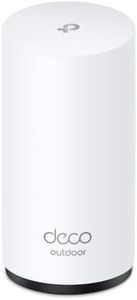
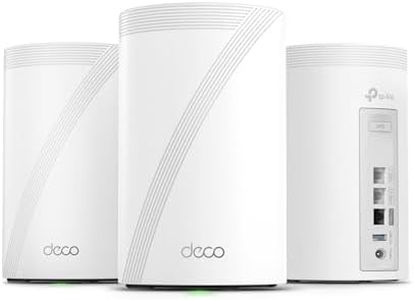
TP-Link Deco 7 Outdoor BE65 BE11000 Tri-Band Wi-Fi 7 Mesh Extender | Up to 3,000 sq.ft, 2 * 2.5G PoE+ Ports, IP65 Waterproof | Multiple Mount Options | 6 GHz, MLO, Homeshield, 320 MHz, AI-Roaming

Rating
10.0
Range (Coverage Area)
WiFi Standards (e.g., WiFi 4, 5, 6)
Antenna Design

Most important from
48 reviews

Range (Coverage Area)
Coverage is impressive, maintaining strong, seamless connectivity across large homes and outdoor spaces without dropouts during movement.
WiFi Standards (e.g., WiFi 4, 5, 6)
The Wi-Fi 7 6GHz band delivers ultra-low latency and blazing fast speeds, significantly improving streaming and gaming experiences with near gigabit wireless performance.
Antenna Design
The units are larger and heavier than previous models, requiring consideration for mounting and shelf space in outdoor installations.
Power Options (PoE or Standard Power Supply)
Multi-gig 2.5G WAN/LAN ports provide excellent future-proofing for high-speed internet plans and wired backhaul setups.
Dual-Band or Single-Band
Compared to competitors, this system excels in consistent high performance and better band management, allowing per-device network preferences for optimal connections.

The TP-Link Deco 7 Outdoor BE65 is a powerful Wi-Fi 7 mesh extender designed for outdoor use, covering up to 3,000 square feet and supporting up to 200 devices. It uses the latest tri-band Wi-Fi 7 technology, offering ultra-fast wireless speeds across 6 GHz, 5 GHz, and 2.4 GHz bands, making it future-ready and ideal for high-demand activities like 4K/8K streaming and gaming. Its internal antenna design combined with Multi-Link Operation enhances stable connectivity in outdoor environments.

This extender features strong weatherproofing with an IP65 rating, allowing it to reliably withstand rain, dust, and moisture, which is essential for outdoor placement. It can be powered via two 2.5 Gbps PoE+ ports, increasing installation flexibility without the need for a nearby power outlet. User-friendly features include seamless AI-driven roaming for uninterrupted connections and an easy setup process through the Deco app. Security is robust, with WPA3 support and TP-Link's HomeShield providing network protection and parental controls.

The device is somewhat larger and heavier than typical extenders, which might affect mounting options on less sturdy surfaces. Being a Wi-Fi 7 device, it delivers the most benefits when paired with newer Wi-Fi 7 routers and client devices, so users with older hardware may not experience its full speed potential immediately. This extender is ideal for users needing high-performance, reliable outdoor Wi-Fi coverage within a secure and cutting-edge mesh system that can accommodate future devices.

Rating
10.0
Range (Coverage Area)
WiFi Standards (e.g., WiFi 4, 5, 6)
Antenna Design

Most important from
48 reviews

Range (Coverage Area)
Coverage is impressive, maintaining strong, seamless connectivity across large homes and outdoor spaces without dropouts during movement.
WiFi Standards (e.g., WiFi 4, 5, 6)
The Wi-Fi 7 6GHz band delivers ultra-low latency and blazing fast speeds, significantly improving streaming and gaming experiences with near gigabit wireless performance.
Antenna Design
The units are larger and heavier than previous models, requiring consideration for mounting and shelf space in outdoor installations.
Power Options (PoE or Standard Power Supply)
Multi-gig 2.5G WAN/LAN ports provide excellent future-proofing for high-speed internet plans and wired backhaul setups.
Dual-Band or Single-Band
Compared to competitors, this system excels in consistent high performance and better band management, allowing per-device network preferences for optimal connections.
#3

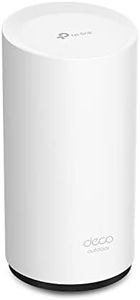
TP-Link Deco Outdoor WiFi (X50-Outdoor) – AX3000 Dual Band WiFi 6, Dual Gigabit Ports, Weatherproof, Works with Deco Mesh, Pole/Wall/Table Mount, 1-Pack

Rating
9.7
Range (Coverage Area)
Weatherproof Rating (IP Rating)
WiFi Standards (e.g., WiFi 4, 5, 6)

Most important from
1033 reviews

Range (Coverage Area)
The mesh network effectively extends strong, consistent signals to outdoor cameras and devices, resolving connectivity issues at the far edges of coverage.
Weatherproof Rating (IP Rating)
Its weatherproof design combined with flexible mounting options and Power over Ethernet support make it a reliable choice for outdoor WiFi extension.
WiFi Standards (e.g., WiFi 4, 5, 6)
The mesh system delivers a super fast WiFi 6 experience, nearly doubling internet speeds and eliminating device dropouts across the home and outdoor areas.
Power Options (PoE or Standard Power Supply)
Its weatherproof design combined with flexible mounting options and Power over Ethernet support make it a reliable choice for outdoor WiFi extension.
Dual-Band or Single-Band
Dual-band operation with a single SSID simplifies device connections while intelligently managing 2.4 GHz and 5 GHz bands for optimal performance.

The TP-Link Deco X50-Outdoor is a solid choice for anyone looking to extend fast WiFi coverage outside, whether on a patio, backyard, or guest house. It supports WiFi 6 technology, which means better speed and efficiency compared to older WiFi versions, and it operates on a dual-band frequency to help reduce interference and keep connections stable. This extender has a weatherproof design, certified to resist dust and heavy rain, so it can handle typical outdoor conditions without trouble.

Installation is flexible—you can mount it on a wall, pole, or set it on a table, and it supports Power over Ethernet (PoE) plus standard power supply, reducing cable clutter. It also features two gigabit Ethernet ports for wired connections, which is handy for devices that need direct internet access. The Deco app makes setup straightforward, even for those not tech-savvy, and it works seamlessly with other TP-Link Deco mesh products for expanding your network. It also integrates basic security and parental controls through TP-Link HomeShield.

This extender balances strong outdoor durability, modern WiFi standards, and easy setup, making it a practical option for most home users wanting reliable outdoor WiFi.

Rating
9.7
Range (Coverage Area)
Weatherproof Rating (IP Rating)
WiFi Standards (e.g., WiFi 4, 5, 6)

Most important from
1033 reviews

Range (Coverage Area)
The mesh network effectively extends strong, consistent signals to outdoor cameras and devices, resolving connectivity issues at the far edges of coverage.
Weatherproof Rating (IP Rating)
Its weatherproof design combined with flexible mounting options and Power over Ethernet support make it a reliable choice for outdoor WiFi extension.
WiFi Standards (e.g., WiFi 4, 5, 6)
The mesh system delivers a super fast WiFi 6 experience, nearly doubling internet speeds and eliminating device dropouts across the home and outdoor areas.
Power Options (PoE or Standard Power Supply)
Its weatherproof design combined with flexible mounting options and Power over Ethernet support make it a reliable choice for outdoor WiFi extension.
Dual-Band or Single-Band
Dual-band operation with a single SSID simplifies device connections while intelligently managing 2.4 GHz and 5 GHz bands for optimal performance.

Buying Guide for the Best Outdoor Wifi Extenders

Choosing the right outdoor WiFi extender can greatly improve your wireless coverage in open spaces like gardens, patios, or even large properties. Since outdoor environments come with their own challenges such as weather and distance, it’s important to understand which features matter the most for reliable, strong, and enduring WiFi connections outdoors. By focusing on a few key aspects, you’ll be able to find an extender that matches your space, devices, and usage needs.
Range (Coverage Area)The coverage area specifies how far the WiFi signal can reach from the extender. This is crucial because outdoor spaces are often larger and less contained than indoors, with more potential for signal loss. Coverage can range from around 100 feet for compact yards to over 500 feet for expansive areas. When considering range, think about the size of your outdoor space and whether there are any obstacles like trees, walls, or buildings. For small patios or balconies, a smaller range is fine. For big gardens, pool areas, or multi-building properties, look for a higher range to ensure a reliable connection throughout.
Weatherproof Rating (IP Rating)The weatherproof rating, often marked as an IP (Ingress Protection) rating, tells you how well the extender can resist water, dust, and other outdoor elements. This spec is important because outdoor devices face rain, sunlight, humidity, and debris that can damage less-protected equipment. Ratings can start at IP54 (protection from limited dust and splashing water) and go up to IP67 or IP68 (fully dust-tight and waterproof for temporary submersion). If your extender will be directly exposed to the weather, choose a higher IP rating. If it's sheltered under a roof or eave, a moderate rating might suffice.
WiFi Standards (e.g., WiFi 4, 5, 6)WiFi standards determine how fast and reliable your connection will be. These are labeled as WiFi 4 (802.11n), WiFi 5 (802.11ac), and the latest, WiFi 6 (802.11ax). Higher numbers mean better speed, efficiency, and support for more devices. For basic web surfing or streaming music outdoors, WiFi 4 might be enough. For high-definition video streaming, gaming, or many users, consider WiFi 5 or 6 for smoother, faster, and more stable connections. Check that your home router and devices also support these standards to benefit fully.
Antenna DesignThe antenna design, internal or external, affects how the extender transmits the WiFi signal. External antennas are often adjustable and generally provide better range and signal strength, which can help with challenging outdoor layouts. Internal antennas are sleeker but may have reduced performance. If you have a lot of open space or obstacles, opt for external, adjustable antennas to better direct and boost the signal. For smaller, straightforward spaces, internal antennas can suffice and have a more discreet look.
Power Options (PoE or Standard Power Supply)Outdoor WiFi extenders can be powered via standard wall outlets or through Power over Ethernet (PoE), which allows both power and data to be delivered through the same Ethernet cable. This is important for installation flexibility; in many outdoor locations, regular power outlets can be hard to come by. If you need to place your extender far from the house or in a spot without easy outlet access, PoE can be a practical solution. If there’s a covered and convenient power point nearby, a regular plug-in model works well.
Dual-Band or Single-BandThis refers to whether the extender operates on one frequency band (single-band, usually 2.4 GHz) or two (dual-band, 2.4 GHz and 5 GHz). Dual-band extenders provide less interference and higher speeds, especially when several devices are connected at once or when dealing with devices that move between indoor and outdoor areas. Single-band models might be sufficient for light use, such as checking email or browsing, but dual-band is recommended for streaming, online gaming, or multi-user environments outdoors.

FAQ

Most Popular Categories Right Now