10 Best Medically Graded Air Purifiers 2026 in the United States

Related Products
Up to 25% off
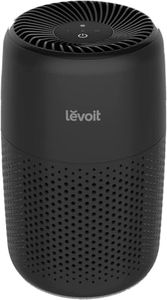
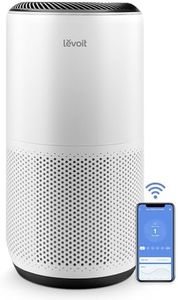
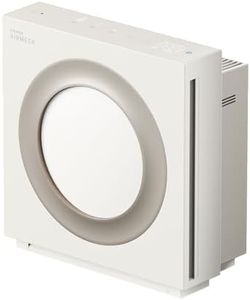
Our technology thoroughly searches through the online shopping world, reviewing hundreds of sites. We then process and analyze this information, updating in real-time to bring you the latest top-rated products. This way, you always get the best and most current options available.

Our Top Picks
Winner
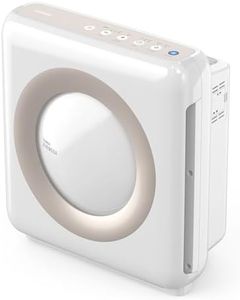
Coway Airmega AP-1512HH(W) True HEPA Purifier with Air Quality Monitoring, Auto, Timer, Filter Indicator, and Eco Mode, 16.8 x 18.3 x 9.7, White
The Coway Airmega AP-1512HH is a solid choice if you want a reliable air purifier for a medium-sized room, roughly up to 361 square feet. It uses a true HEPA filter that can capture 99.97% of tiny particles like pollen, dust, and smoke, which is great for improving indoor air quality and reducing allergens. Its four-stage filtration system also includes a deodorization filter and an ionizer to help remove odors and some chemicals from the air. The purifier features an air quality sensor with a colored LED display, so you can easily see how clean your air is in real-time. It’s pretty user-friendly, offering manual fan speeds or an auto mode that adjusts based on air quality. The timer and filter replacement indicators are handy for convenience and maintenance.
Noise levels range from quite quiet at 24.4 dB to a moderate 53.8 dB on higher settings, so it should be fairly unobtrusive in most rooms. It is CARB and ETL certified, assuring that it meets safety and performance standards. One thing to note is that it’s not compatible with smart home systems, so it won’t connect to apps or voice assistants. Also, while it covers typical room sizes well, it might not be ideal if you need to purify larger spaces. The power consumption is moderate at 77 watts, which is reasonable for everyday use.
This model balances strong filtration with practical features, making it a good pick for people looking for a dependable, straightforward air purifier without extra smart features.
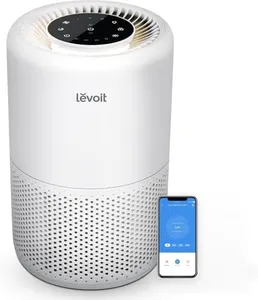
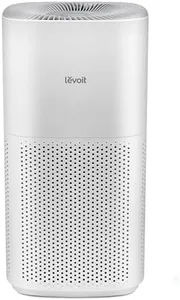
LEVOIT Air Purifier for Home Bedroom Dorm Room, Smart & Voice Control, AHAM VERIFIDE, 3-in-1 Filter With HEPA Sleep Mode, for Pollen, Pollutants, Smoke, Dander, Dust, Core 200S-P, White
Most important from
105513 reviews
The Levoit Core 200S-P is a smart air purifier designed especially for bedrooms, dorm rooms, and small living spaces up to about 675 square feet. It uses a 3-in-1 filtration system that includes a HEPA filter, which captures 99.97% of tiny particles like dust, pollen, smoke, and pet dander down to 0.1 microns. This makes it effective for allergy sufferers and anyone wanting cleaner indoor air. The purifier is AHAM VERIFIDE certified, which means its air cleaning ability and energy efficiency have been independently tested and verified, providing solid reassurance of its performance.
Its Clean Air Delivery Rate (CADR) allows the air in a 140-square-foot room to refresh nearly 5 times per hour, so it works well in smaller rooms rather than large open areas. The device is compact and lightweight, making it easy to move around. Another plus is its noise level—at just 27 decibels on sleep mode, it runs quietly enough not to disturb sleep or work.
The device is smart-enabled, supporting voice controls via Alexa and app control for convenience. It also uses genuine Levoit replacement filters, which helps maintain its efficiency over time. For larger rooms or heavy pollution, this model might not be enough due to its limited coverage area and CADR. While it effectively reduces common allergens and odors, it does not specify medical-grade filtration standards like True Medical HEPA or hospital-grade certification.
Most important from
105513 reviews
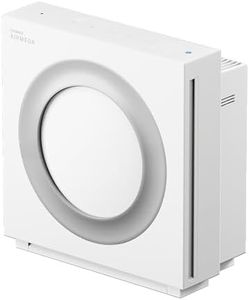
COWAY Airmega Mighty2 Air Purifier, Next Gen of AP-1512HH, for Large Room & Home Cleans up to 1,800 ft², IEST certified HEPA and Active Carbon for Allergies, Smoke, Dust, Pets & Mold, AP-1512N(W)
The COWAY Airmega Mighty2 is a strong choice for anyone looking to improve indoor air quality in medium to large spaces, covering up to 1,800 square feet. Its IEST-certified HEPA filter captures 99.97% of tiny particles like pollen, dust, smoke, and pet dander, making it well-suited for allergy and asthma sufferers or those concerned about airborne pollutants. The 3-stage filtration system, which includes a washable pre-filter plus a combined HEPA and active carbon filter, also helps reduce harmful gases and odors efficiently. With a Clean Air Delivery Rate (CADR) around 240 for dust, smoke, and pollen, it clears air quickly and effectively.
The Mighty2 also features smart sensors that track different particle sizes, adjusting fan speeds automatically to keep air fresh without wasting energy. Noise levels can be very low (just 19 decibels in sleep mode), so it won’t disturb your rest. Maintenance is straightforward with clear filter life indicators and easy access to the washable pre-filter. On the downside, while it covers large areas well, this model requires a power outlet and weighs about 15 pounds, which might limit portability a bit. Some users may find the touch controls less intuitive compared to physical buttons.
The 3-year warranty adds peace of mind about durability. This purifier represents a solid pick for health-conscious households wanting medically-grade filtration in a stylish, user-friendly design.
Buying Guide for the Best Medically Graded Air Purifiers
When considering a medically-graded air purifier, it’s important to focus on how the device can meet your health and air quality needs. These air purifiers are designed to remove tiny contaminants from the air, which is crucial for people with allergies, asthma, or sensitivities to pollution. The right unit will depend on factors like the size of the space to be covered, the types of pollutants you want to remove, and any special health requirements you might have. By understanding key specifications, you can pick a purifier that truly helps improve your indoor environment.FAQ
Most Popular Categories Right Now


