We Use CookiesWe use cookies to enhance the security, performance, functionality and for analytical and promotional activities. By continuing to browse this site you are agreeing to our privacy policy

10 Best Glues For Inflatable Boats 2026 in the United States
How do we rank products for you?

Our technology thoroughly searches through the online shopping world, reviewing hundreds of sites. We then process and analyze this information, updating in real-time to bring you the latest top-rated products. This way, you always get the best and most current options available.

headphones-stars

Our Top Picks

#1

Winner

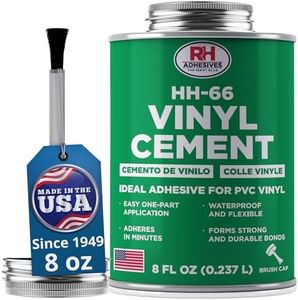
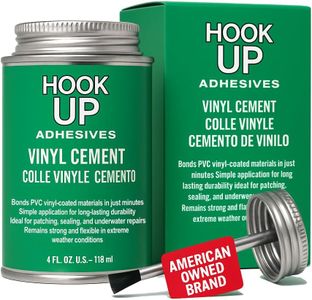
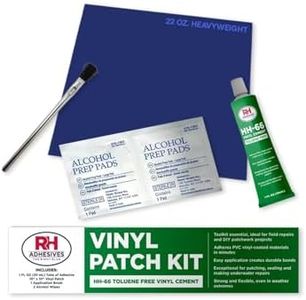
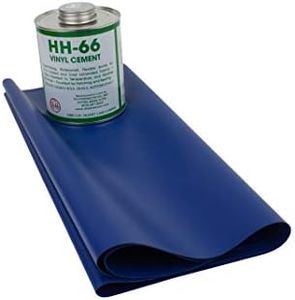
HH-66 Vinyl Cement 8 oz - Vinyl Adhesive, Cement Glue, Industrial Contact Cement for PVC & Vinyl Repair - Waterproof Flexible Vinyl Glue for Tarps, Pool Liners, Inflatables & Marine – RH Adhesives

Rating
10.0
Chosen by1,242
Flexibility
Water Resistance
Application Method

Most important from
9475 reviews

Flexibility
Delivers a strong, flexible bond that withstands heat, cold, moisture, and heavy use without becoming brittle over time.
Water Resistance
Creates a tough waterproof seal ideal for marine, automotive, and outdoor repairs, holding up well against rain, sunlight, and humidity.
Application Method
Application is straightforward with the built-in brush, allowing quick repairs that feel solid and durable once cured.
Material Compatibility
Best results come from pairing the adhesive with quality, thicker vinyl patches and cleaning surfaces with soapy water followed by rubbing alcohol.

The HH-66 Vinyl Cement by RH Adhesives is a strong choice for bonding inflatable boats and similar vinyl or PVC materials. It adheres well to a wide range of surfaces including flexible vinyl, PVC, neoprene, and some plastics, making it versatile beyond just boats. One of its standout features is its excellent water resistance; it’s designed to be waterproof and even works underwater during application, which is a significant advantage for marine repairs.

The glue remains flexible once cured, helping to prevent cracks or brittle seams even with temperature fluctuations from -30°F to 150°F. This flexibility is vital for inflatables that must endure bending and pressure. Application is straightforward due to the built-in brush, allowing for even spreading and a smooth, professional finish. The curing time is about 24 hours, requiring some patience before full use. The product is solvent-based with medium viscosity—thick enough to hold well but still easy to work with. It performs best when applied within a temperature range of 35°F to 95°F, as extreme temperatures can affect bonding effectiveness. Though it dries quickly, it does not come with a warranty, which could be a consideration for some users.

HH-66 is a durable, waterproof, and flexible adhesive designed for tough, long-lasting repairs on inflatable boats and other vinyl-based items. It meets the needs of users seeking a professional-grade glue that withstands water exposure and temperature changes, provided that application occurs within the recommended temperature range for optimal results.

Rating
10.0
Chosen by1,242
Flexibility
Water Resistance
Application Method

Most important from
9475 reviews

Flexibility
Delivers a strong, flexible bond that withstands heat, cold, moisture, and heavy use without becoming brittle over time.
Water Resistance
Creates a tough waterproof seal ideal for marine, automotive, and outdoor repairs, holding up well against rain, sunlight, and humidity.
Application Method
Application is straightforward with the built-in brush, allowing quick repairs that feel solid and durable once cured.
Material Compatibility
Best results come from pairing the adhesive with quality, thicker vinyl patches and cleaning surfaces with soapy water followed by rubbing alcohol.
#2

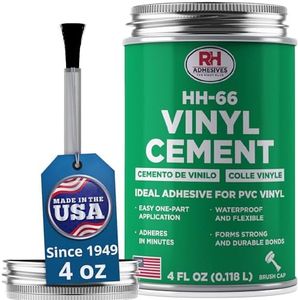
HH-66 Vinyl Cement 4 oz - Vinyl Adhesive, Cement Glue, Industrial Contact Cement for PVC & Vinyl Repair - Waterproof Flexible Vinyl Glue for Tarps, Pool Liners, Inflatables & Marine – RH Adhesives

Rating
10.0
Material Compatibility
Water Resistance
Curing Time

Most important from
9475 reviews

Material Compatibility
HH-66 Vinyl Cement delivers a super clean fix that adheres quickly and smoothly, making vinyl repairs look as good as new.
Water Resistance
This adhesive is essential for vinyl pool liner repairs, working both above and below the waterline for strong, reliable bonds.
Curing Time
The application is straightforward, and the adhesive dries fast, ensuring a seamless finish without unsightly residue.
Application Method
The application is straightforward, and the adhesive dries fast, ensuring a seamless finish without unsightly residue.

The HH-66 Vinyl Cement by RH Adhesives is a strong contender for gluing inflatable boats. It's specifically designed to work with vinyl and plastic materials, making it a good match for most inflatable boat surfaces. One of its standout features is its excellent water resistance, even performing reliably underwater. This ensures that repairs made with this adhesive will hold up well in marine environments. The adhesive can be applied in a wide range of temperatures, from 35 to 95 degrees Fahrenheit, adding to its versatility in different weather conditions.

Another plus is its flexibility, which means it won't crack or become brittle over time, maintaining the integrity of the inflatable boat as it flexes and moves in use. The application method is user-friendly thanks to the included brush, ensuring the adhesive goes on smoothly whether using it on the fabric or hard plastic parts of the boat. As a solvent-based adhesive, it could emit strong fumes, so good ventilation is necessary during application.

Made in the USA, this product has a reputation for quality and reliability, backed by RH Adhesives' long-standing history since 1949. The HH-66 Vinyl Cement is a solid choice for repairing and maintaining inflatable boats, with its water resistance, flexibility, and material compatibility being its primary strengths.

Rating
10.0
Material Compatibility
Water Resistance
Curing Time

Most important from
9475 reviews

Material Compatibility
HH-66 Vinyl Cement delivers a super clean fix that adheres quickly and smoothly, making vinyl repairs look as good as new.
Water Resistance
This adhesive is essential for vinyl pool liner repairs, working both above and below the waterline for strong, reliable bonds.
Curing Time
The application is straightforward, and the adhesive dries fast, ensuring a seamless finish without unsightly residue.
Application Method
The application is straightforward, and the adhesive dries fast, ensuring a seamless finish without unsightly residue.
#3

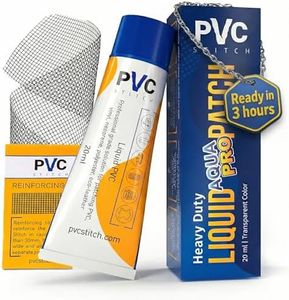
AquaPro Liquid Patch Waterproof Repair Kit for PVC Inflatable Boats, Rafts, ISUPs, Paddle Boards, Above Ground Pools, Hot Tubs, and Underwater Gear (Sealer +Cord)

Rating
10.0
Material Compatibility
Water Resistance
Flexibility

Most important from
1675 reviews

Material Compatibility
Delivers a reliable, long-lasting repair that holds air even after large tears and heavy use.
Water Resistance
Its water and UV resistance make it ideal for outdoor and saltwater gear repairs.
Flexibility
The glue remains flexible after curing, maintaining the inflatable’s shape and durability over time.
Application Method
The application process is straightforward and effective when instructions are carefully followed.

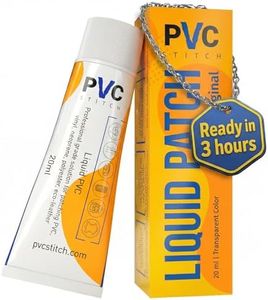
The AquaPro Liquid Patch Waterproof Repair Kit is designed especially for repairing PVC and PU inflatable boats, rafts, paddle boards, and similar outdoor water gear. It works well with materials like PVC and polyurethane but does not suit nylon-based fabrics, so it's important to check your item's material first. This kit is highly water-resistant, UV resistant, and can handle a wide range of temperatures, making it a reliable choice for saltwater and outdoor use. The curing time is reasonably quick, allowing you to use the repaired item after about 2 hours at room temperature, which is handy for field repairs. The kit includes a liquid sealant and a PVC mesh cord that adds strength for larger tears, although smaller repairs don’t require the cord.

Application is straightforward—just clean and dry the damaged area, apply the sealant (with or without cord), and let it cure without spreading it too thin. The glue remains flexible after curing, maintaining the inflatable’s shape and durability over time. One limitation is that the kit comes in a small 20 ml tube, so very large or multiple repairs might require more product. Also, it doesn’t work on all materials, so it’s best suited for those mainly dealing with PVC or PU inflatables. For those seeking a dependable, easy-to-use repair solution for inflatable water gear with good water and temperature resistance, AquaPro presents a practical option.

Rating
10.0
Material Compatibility
Water Resistance
Flexibility

Most important from
1675 reviews

Material Compatibility
Delivers a reliable, long-lasting repair that holds air even after large tears and heavy use.
Water Resistance
Its water and UV resistance make it ideal for outdoor and saltwater gear repairs.
Flexibility
The glue remains flexible after curing, maintaining the inflatable’s shape and durability over time.
Application Method
The application process is straightforward and effective when instructions are carefully followed.

Buying Guide for the Best Glues For Inflatable Boats

Choosing the right glue for inflatable boats is crucial to ensure durability, safety, and longevity of your boat. The glue you select must be compatible with the material of your boat, provide a strong bond, and be resistant to water and environmental conditions. Here are some key specifications to consider when selecting glue for inflatable boats, along with explanations to help you make the best choice for your needs.
Material CompatibilityMaterial compatibility refers to the glue's ability to bond with the specific material of your inflatable boat, such as PVC or Hypalon. This is important because using the wrong glue can result in weak bonds and potential leaks. To navigate this, identify the material of your boat and choose a glue specifically formulated for that material. For example, PVC boats require PVC glue, while Hypalon boats need Hypalon glue. Picking the right one ensures a strong and durable repair.
Water ResistanceWater resistance is the glue's ability to withstand exposure to water without breaking down. This is crucial for inflatable boats as they are constantly in contact with water. Glues with high water resistance will maintain their bond even when submerged. Look for glues labeled as waterproof or marine-grade. If you frequently use your boat in water, prioritize glues with excellent water resistance to ensure long-lasting repairs.
Curing TimeCuring time is the duration it takes for the glue to fully set and achieve maximum strength. This is important because it affects how quickly you can use your boat after making repairs. Curing times can range from a few hours to several days. If you need quick repairs, opt for glues with shorter curing times. However, for more permanent and stronger bonds, longer curing times might be preferable. Consider your urgency and the nature of the repair when choosing.
Temperature ResistanceTemperature resistance refers to the glue's ability to maintain its bond under varying temperature conditions. This is important for inflatable boats that are used in different climates. Glues with high temperature resistance will not degrade in extreme heat or cold. If you use your boat in diverse environments, choose a glue that can withstand a wide range of temperatures to ensure the bond remains strong.
FlexibilityFlexibility is the glue's ability to move with the material of the boat without cracking or breaking. This is important because inflatable boats expand and contract with use and temperature changes. Flexible glues will maintain their bond without becoming brittle. For boats that are frequently inflated and deflated, or used in varying conditions, flexible glues are ideal as they adapt to the boat's movements.
Application MethodThe application method refers to how the glue is applied, such as brush-on, spray, or tube. This is important for ease of use and precision in repairs. Brush-on and tube glues offer more control for detailed repairs, while sprays can cover larger areas quickly. Consider the type of repairs you will be doing and choose an application method that suits your needs. For small, precise repairs, a brush or tube might be best, while larger repairs might benefit from a spray application.

FAQ

Most Popular Categories Right Now