10 Best Fish Finders And GPS Combos 2026 in the United States
Related Products
Up to 15% off
![[FishPRO® 2026 Upgrade] NO.1 HD 1080P Underwater Fishing Camera 7'' IPS- DVR-32GB, w/10,000mAh(Ease To Use), Ice Fishing Camera Underwater, Fish Finder Camera for Boat Ice Lake Fish, USB-C/LED+IR/82ft](https://images-proxy.bestreviews.guide/R_b1c0dzqWoOQ1l6wpTArbSAfYI=/0x300/https://m.media-amazon.com/images/I/51NDJYY8JZL._AC_CX679_.jpg)

Our technology thoroughly searches through the online shopping world, reviewing hundreds of sites. We then process and analyze this information, updating in real-time to bring you the latest top-rated products. This way, you always get the best and most current options available.

Our Top Picks
Winner
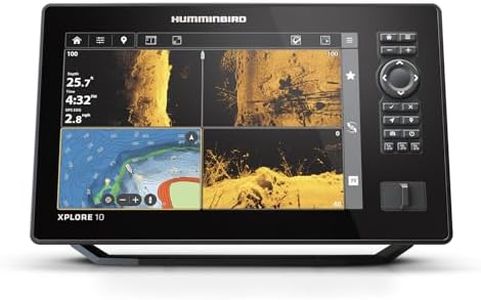
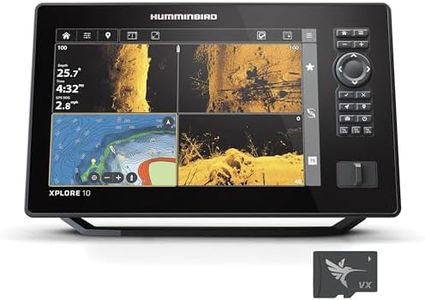
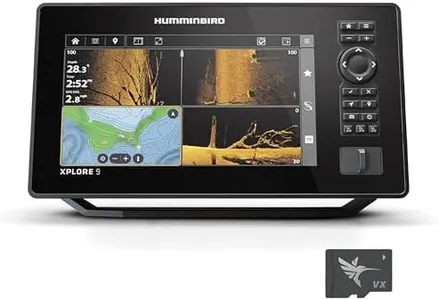
Humminbird XPLORE 10 GPS Fish Finder with Transducer, MEGA Side Imaging+ & HD Touchscreen
The Humminbird XPLORE 10 GPS Fish Finder stands out with its large 10.1-inch touchscreen that offers sharp 1280 x 720 resolution, making it easy to see underwater details clearly. Its premium sonar technology includes MEGA Side Imaging+ and MEGA Down Imaging+, both reaching up to 200 feet, which helps you spot fish and underwater structures with great accuracy. The Dual Spectrum CHIRP sonar enhances fish detection by using wide and narrow beams. For navigation, it offers built-in GPS with detailed Humminbird maps plus support for popular chart cards like Navionics, which is great for lake and coastal fishing. The AutoChart Live feature lets you create real-time maps while you fish, a handy tool for discovering new spots and understanding water depth and bottom types.
Connectivity options are robust, featuring Ethernet, Bluetooth, and compatibility with NMEA 2000 networks, allowing easy integration with other marine devices like Minn Kota motors. The unit includes a reliable transom mount transducer and offers a maximum depth of 400 feet, suitable for most freshwater and some saltwater fishing. On the downside, the system is powered by a corded electric source, which means it needs a steady power supply, and its price might be on the higher end for casual anglers. Also, while the touchscreen is responsive, some users might prefer simpler controls when on rough waters, though the keypad option helps with this. This fish finder is especially well-suited for serious anglers who want detailed imaging, advanced mapping features, and strong connectivity in one device.
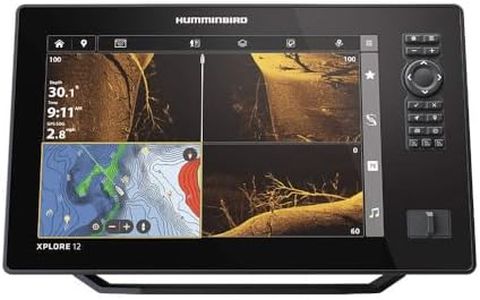
Humminbird XPLORE 12 GPS Fish Finder with Transducer, MEGA Side Imaging+ & HD Touchscreen
Most important from
93 reviews
The Humminbird XPLORE 12 GPS Fish Finder stands out with its advanced sonar technology, featuring MEGA Side Imaging+ and MEGA Down Imaging+, which provide detailed fish detection in wide and narrow modes. With a 12-inch HD touchscreen display offering a resolution of 1280 x 720, the device ensures clear visuals and ease of operation through both touchscreen and keypad controls, catering to different user preferences. The built-in GPS functionality, coupled with the extensive Humminbird Basemap and additional map cards for U.S. and Canada regions, provides robust navigation capabilities, making it suitable for diverse fishing environments.
The AutoChart Live feature allows for real-time mapping, enhancing the fishing experience by documenting depth contours, bottom hardness, and vegetation, with compatibility for extended recording through AutoChart Zero Line SD cards. Connectivity options are plentiful, including high-speed Ethernet and Bluetooth, ensuring seamless integration with other marine products and networks like NMEA 2000. This makes it ideal for anglers seeking a comprehensive, interconnected fishing system.
However, the unit's considerable weight and size may require a sturdy mounting setup, which could be a drawback for smaller boats or limited space. The two-year warranty offers some peace of mind for users. The Humminbird XPLORE 12 GPS Fish Finder is a powerful tool for serious anglers looking for detailed sonar imaging, advanced GPS navigation, and real-time mapping, but it may be best suited for those with larger boats and existing marine electronics setups.
Most important from
93 reviews
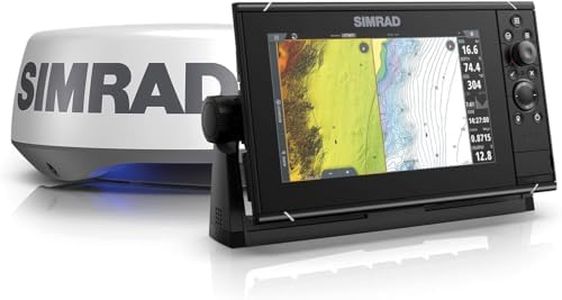
Simrad NSS9 Evo3S - 9-inch Multifunction Fish Finder Chartplotter with HALO20+ Radar, Preloaded C-MAP US Enhanced Charts
The Simrad NSS9 Evo3S is a solid choice if you want a reliable 9-inch fish finder and GPS combo with a bright and clear display. Its high-definition screen and fast iMX 8 processor make navigating menus smooth and quick, which is helpful when you're on the water and need instant info. The built-in GPS comes preloaded with detailed C-MAP charts covering inland and coastal waters, making it easier to plan routes and mark good fishing spots.
Its sonar capabilities are impressive, supporting advanced imaging like Active Imaging and StructureScan 3D, which can show detailed underwater views to help you locate fish more effectively. The included HALO 20+ radar adds safety by letting you see nearby boats, weather, and even bird flocks that might signal fish activity, useful in busy or foggy conditions. Power output and maximum depth tracking (up to 3000 feet) fit many fishing needs, from shallow lakes to deeper coastal waters.
The system also offers vessel-wide integration, meaning you can connect and monitor your boat’s engines and other systems through the display, adding convenience. One thing to note is the unit's weight (43 pounds), so installation might require some effort and proper mounting. While the system is feature-rich and sits at a higher price point, it might be more than casual anglers need. If you want a comprehensive, easy-to-use device that combines reliable fish finding, GPS navigation, and radar in one, the NSS9 Evo3S meets those needs well.
Buying Guide for the Best Fish Finders And GPS Combos
Choosing the right fish finder and GPS combo can significantly enhance your fishing experience. These devices help you locate fish and navigate waters with ease. To make an informed decision, it's important to understand the key specifications and how they align with your needs. Here are the essential specs to consider when selecting a fish finder and GPS combo.FAQ
Most Popular Categories Right Now


